Our Top Picks
Picking a first film camera means choosing between two very different learning curves. One path is a focus-free, point-and-shoot body that asks you to load a roll and press the button. The other is an SLR with a real lens, where you learn focus, aperture, and shutter speed one frame at a time. Neither is wrong, but mixing them up leads to frustration: a beginner who buys a manual SLR may waste rolls on blurry frames, while someone who wants to learn photography may outgrow a fixed-focus compact in a month.
This guide is for people who have shot only on phones and want a first 35mm camera that is reusable, easy to load, and simple to buy film for. Every pick is judged from the specifics in its product title, including the notes that film and batteries are often sold separately. In 2026, the film itself and lab costs are the ongoing expense, so think about the whole workflow before choosing a body.
Quick Picks

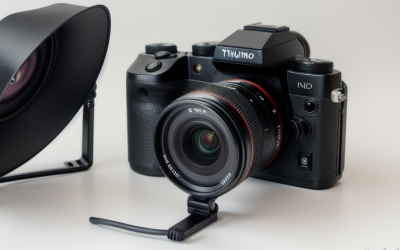
Canon New EOS Kiss (AKA Rebel G in USA/Canada) SLR AF Film Camera With 35-80mm EF Lens (Renewed)
One of the consumer electronics options compared in this guide.
View on Amazon
KODAK EC35 35mm Film Camera 35mm, Reusable, Focus-Free, Built-in Flash, Slide Cover, Beginner Friendly (Film & AA Battery are not Included) (Single, Avocado Green)
One of the consumer electronics options compared in this guide.
View on Amazon
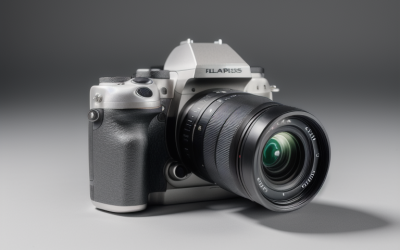
Vintage Canon AE-1 35mm SLR Camera with 50mm 1:1.8 Lens (Renewed)
One of the consumer electronics options compared in this guide.
View on Amazon
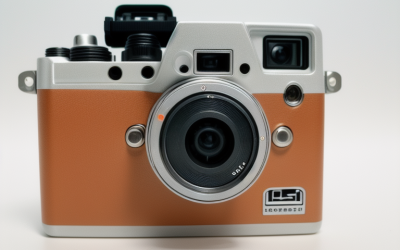
KODAK Snapic A1 35mm Film Camera 35mm, Reusable, 2-Zone Focus, Lightweight, Compact (Rhino Grey) (Film & AAA Battery are not Included)
One of the consumer electronics options compared in this guide.
View on Amazon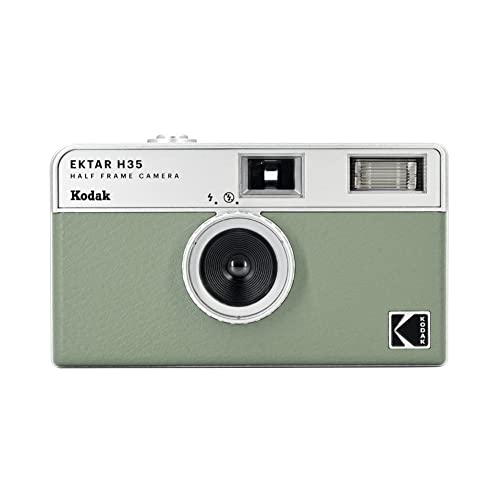
KODAK EKTAR H35 Half Frame Film Camera, 35mm, Reusable, Focus-Free, Lightweight, Easy-to-Use (Sage) (Film & AAA Battery are not Included)
One of the consumer electronics options compared in this guide.
View on Amazon
KODAK EC35 35mm Film Camera 35mm, Reusable, Focus-Free, Built-in Flash, Slide Cover, Beginner Friendly (Film & AA Battery are not Included) (Single, Blush Pink)
One of the consumer electronics options compared in this guide.
View on Amazon
KODAK EC35 35mm Film Camera 35mm, Reusable, Focus-Free, Built-in Flash, Slide Cover, Beginner Friendly (Midnight Black) Bundle with Kodak Ultramax 400/24EXP 35mm Roll Film
One of the consumer electronics options compared in this guide.
View on Amazon| Product | Best for | Key spec from the title |
|---|---|---|
| Canon EOS Kiss (Rebel G) SLR, Renewed | Learning with autofocus and a real lens | SLR with AF, 35-80mm EF lens |
| Kodak EC35 (Single, listing A) | Pure point-and-shoot simplicity | Reusable, focus-free, built-in flash, slide cover |
| Canon AE-1 35mm SLR, Renewed | Learning classic exposure basics | 35mm SLR, 50mm 1:1.8 lens |
| Kodak Snapic A1 | Compact carry with some focus control | Reusable, 2-zone focus, lightweight |
| Kodak Ektar H35 Half Frame | Stretching a roll further | Half-frame format, focus-free, lightweight |
| Kodak EC35 (Single, listing B) | Same camera, different color option | Reusable, focus-free, built-in flash |
| Kodak EC35 Midnight Black Bundle | Starting with film included | Bundled with Kodak Ultramax 400 |
How to Choose
Decide how much control you want
Focus-free cameras like the Kodak EC35 and Ektar H35 use a fixed focus distance, so the subject has to be a few feet away or more. They are quick to learn and forgiving in daylight. An SLR such as the Canon AE-1 or EOS Kiss gives you through-the-lens viewing and the option to change lenses, which teaches you how focus and exposure interact. If your goal is learning photography, lean toward an SLR; if your goal is pleasant snapshots, stay simple.
Autofocus versus manual
The EOS Kiss lists autofocus, which makes first rolls easier, since the camera finds focus for you. The AE-1 is a classic from the manual-focus era, so expect to turn the focus ring yourself. Some beginners enjoy that, while others grow annoyed with missed shots. Autofocus costs nothing in character and saves rolls, so it is a sensible default for impatient first-timers.
Condition, batteries, and film
Several listings say renewed, which means used equipment that has been refurbished or inspected. Read the return policy, check that the light meter and shutter work, and look for seller notes. Many listings also warn that film and batteries are not included, with AA batteries for the EC35 and AAA for the Snapic A1. ISO 400 is a good starting film speed for mixed light, and color negative film is forgiving of exposure mistakes.
Lens, flash, and format
A 50mm lens, like the one listed with the AE-1, is a classic starter focal length and works for portraits and everyday scenes. A built-in flash helps indoors and at night. The half-frame format of the Ektar H35 splits each 35mm frame into two, giving roughly twice as many pictures per roll, though images are smaller and more portrait-oriented. Do not overspend on a camera; film and developing will become the larger cost. Before buying, price a lab visit near you, since some labs charge separately for processing and for digital scans, and a few only accept certain film types.
The 7 Best Options
Canon EOS Kiss (Rebel G), Renewed
This SLR autofocus film camera comes with a 35-80mm EF lens, a zoom range that covers wide scenes and tighter portraits. It is the most capable body in the group, making it a real step toward interchangeable-lens photography with autofocus to keep the learning curve gentle. Because the zoom runs from a modest wide angle to a short telephoto, one lens can handle street scenes, family gatherings, and travel snapshots on the same roll.
- Strength: Autofocus and a zoom lens let a beginner concentrate on composition.
- Strength: EF lens mount offers a path to additional lenses later.
- Trade-off: It is a renewed body, so condition and battery needs should be checked.
Skip it if: you want a pocketable camera that slips into a jacket, or you prefer to avoid a lens that has to be handled carefully in a bag.
Kodak EC35 (Single, listing A)
The EC35 is a reusable 35mm camera with focus-free optics, a built-in flash, and a slide cover. The title notes it is beginner friendly and that film and AA batteries are not included, which matters for budgeting your first order. It is the type of camera you can hand to a teenager or a relative who has never loaded film, and expect them to get usable frames in daylight without a tutorial.
- Strength: Focus-free design means almost no learning curve.
- Strength: The slide cover protects the lens when it is in a bag.
- Trade-off: Film and batteries are separate purchases.
Skip it if: you want to learn focus control and exposure.
Canon AE-1, Renewed
The Vintage Canon AE-1 is a 35mm SLR paired with a 50mm 1:1.8 lens, a fast standard lens that is well suited to portraits and low light. It is one of the most recognizable film cameras for people who want to learn the fundamentals the traditional way. Since the title says renewed, expect a used body, and plan time to learn its meter, advance lever, and film loading before an important trip.
- Strength: The 50mm 1:1.8 lens is a classic and useful focal length for beginners.
- Strength: A manual-focus SLR teaches exposure and focus principles.
- Trade-off: It is a vintage camera, so wear and aging are possible even when renewed.
Skip it if: you want autofocus or a low-maintenance first camera.
Kodak Snapic A1
The Snapic A1 is a compact, lightweight, reusable 35mm camera with 2-zone focus, a small step above fixed focus. The Rhino Grey version needs AAA batteries and film, which are not included. It suits travelers who want slightly better close-up results than a pure fixed-focus camera without carrying a bulky SLR.
- Strength: Two focus zones give a bit more control for close and distant subjects.
- Strength: It is lightweight and compact for travel.
- Trade-off: Film and batteries must be bought separately.
Skip it if: you want a viewfinder-based SLR experience with interchangeable lenses and full control over every exposure.
Kodak Ektar H35 Half Frame
The Ektar H35 is a reusable half-frame 35mm camera in a Sage color. It is focus-free, lightweight, and easy to use, with a format that gets more pictures from each roll. That makes it appealing to people who like shooting lots of small everyday moments and do not want to rewind a roll after only a few outings.
- Strength: Half frame stretches film and lowers the cost per picture.
- Strength: Lightweight and simple operation suit casual shooters.
- Trade-off: Smaller frames mean more grain when enlarged.
Skip it if: you plan on making large prints, or you would rather keep a standard full-frame look that most labs and scanners handle without special settings.
Kodak EC35 (Single, listing B)
This is the same Kodak EC35 in another listing, with the focus-free design, built-in flash, and slide cover. Choosing it over listing A is a matter of color, seller, or delivery, not function. If a lower-cost option appears, a matching camera makes little difference, because the optics and controls are the same.
- Strength: The same easy operation as the other EC35.
- Strength: Built-in flash handles indoor snapshots.
- Trade-off: Film and AA batteries are not included.
Skip it if: you already have the other EC35 option in mind.
Kodak EC35 Midnight Black Bundle
This bundle pairs the Midnight Black EC35 with Kodak Ultramax 400 film, so you have what you need to start shooting after loading batteries. It addresses the biggest early obstacle, buying the right film. It is also a straightforward gift, since the recipient does not have to learn about film speeds before the first shot.
- Strength: Film is included, so the first roll is ready.
- Strength: The black finish and simple design keep things understated.
- Trade-off: The title does not say how many rolls are included, so check the page.
Skip it if: you already own film stock you prefer.
Which One Fits Your Situation
You want to learn photography properly
The Canon EOS Kiss (Rebel G) gives you autofocus and a zoom lens, so you can learn composition while gradually exploring exposure. If you prefer the classic manual route and a fast 50mm lens for portraits, the Canon AE-1 rewards patience once you learn to focus by hand. Pair it with ISO 400 film and shoot in daylight for the most forgiving first roll.
You want a carry-everywhere snapshot camera
The Kodak Snapic A1 is compact and lightweight, making it easy to slip into a bag for travel days. Keep it in a jacket pocket and you will actually use it.
You want to stretch your film budget
The Kodak Ektar H35 Half Frame yields more shots per roll, which spreads out the cost of developing. It also encourages relaxed, high-volume shooting at gatherings, where each frame feels less precious.
You want a gift that works on day one
The Kodak EC35 Midnight Black Bundle includes film, so the recipient only needs batteries. Add a note about local labs that develop and scan color negative film, and the gift is complete.
Common Mistakes
- Buying a camera without checking whether film and batteries are included.
- Choosing a manual SLR and expecting phone-like results on the first roll.
- Ignoring the condition and return policy on renewed or vintage bodies.
- Shooting low-speed film in dim light without a flash.
- Forgetting that developing and scanning costs add up quickly.
Related guides
- Aio Liquid Coolers For High Performance Gaming
- Gaming Chair Accessories And Replacement Parts
- Video Doorbell Cameras Without Subscription
Frequently Asked Questions
Is a film SLR or a point-and-shoot better for beginners?
A point-and-shoot is simpler, while an SLR teaches more, though it demands patience and a few wasted frames at the start. If you only want snapshots, choose a focus-free compact. If you want to learn, an autofocus SLR is a balanced start.
What film should I load first?
ISO 400 color negative film is a forgiving starting point, since it handles a range of light and mild exposure mistakes. The EC35 bundle includes Kodak Ultramax 400 for that reason.
Are renewed film cameras reliable?
They can be, but condition varies. Look for return options, seller notes on condition, and a working meter and shutter before committing.
What is half frame?
Half frame splits a standard 35mm frame into two smaller images, so a roll holds roughly twice as many pictures. The trade-off is smaller negatives and more visible grain, and some labs and scanners need a note about the format so the frames are cut and scanned correctly. Ask before you drop off a roll.