Our Top Picks
“Low light camera” can mean three different things, and most buyers end up with the wrong one because the phrase hides the use case. For some, it means a small USB or board-level camera that can watch a workshop, a doorway, or a laser engraver at night. For others, it means a webcam that does not turn into a grainy mess at 9 p.m. And for a few, it means an action camera that holds up when the sun drops. The first step is deciding where the camera will live, because sensor choice and connection type follow from that. A camera that excels on a desk can be a poor fit for a damp garage, and the reverse is just as true.
This guide is for makers, hobbyists, and desktop users who need clean video in dim rooms. The six picks below are judged from the specs printed in each product title, which lean on sensor names, lux figures, and connection types. In 2026 these sensor families are common, so the useful questions are whether you need USB plug-and-play or a Raspberry Pi module, how wide the lens is, and whether the housing suits your setting. A vlogging camcorder that lists only infrared night vision was left out, since that is a different feature from a sensor built for dim scenes.
Quick Picks

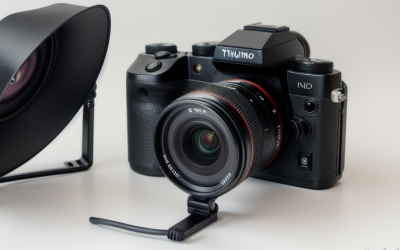
Arducam 1080P IMX291 Low Light USB Camera, 120° Wide Angle Lightburn Camera Module with Waterproof Metal Case
One of the consumer electronics options compared in this guide.
View on Amazon
Arducam 1080P Raspberry Pi Camera Module with STARVIS Sensor, Day & Night Vision Camera, Manual IR-Cut Control, Low Light Camera, 102° Wide-Angle Lens, for Pi 5, 4, 3 & Zero 2 W
One of the consumer electronics options compared in this guide.
View on Amazon
ELP 0.0001Lux Starvis USB Camera Module Wide Angle 1080P H.264 Low Light Webcam for Computer Mini UVC USB2.0 Lightburn Camera HDR 100dB Webcamera High Speed 1080P@30fps Web Cam Board for Laptop Pi
One of the consumer electronics options compared in this guide.
View on Amazon
Insta360 X5 - Waterproof 8K 360° Action Camera, Leading Low Light, Invisible Selfie Stick Effect, Rugged and Replaceable Lens, 3-Hour Battery, Built-in Wind Guard, Stabilization, Triple AI Chip Design
One of the consumer electronics options compared in this guide.
View on Amazon
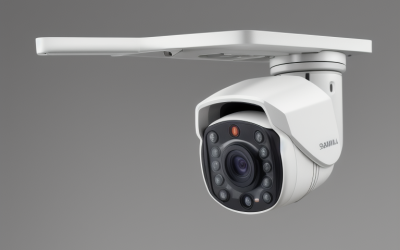
IFWATER Starvis Ultra Low Light USB Camera 0.0001Lux 1080P H.264 3X 3.6-10mm Manual Zoom Close up Lens, HDR Full Color Night Vision Security Industrial Webcam Plugfor Windows Linux Mac Jetson Nano
One of the consumer electronics options compared in this guide.
View on Amazon
Arducam 2MP Webcam, Low Light USB Camera with Holder, USB Webcam for PC, Laptop, Smartphone, Supports Windows XP/7/8/10, Linux, Mac OS
One of the consumer electronics options compared in this guide.
View on Amazon| Product | Best for | Key spec from the title |
|---|---|---|
| Arducam 1080P IMX291 USB Camera | Workshops and laser setups | IMX291 low-light sensor, 120-degree wide angle, metal waterproof case |
| Arducam 1080P Raspberry Pi STARVIS Module | Raspberry Pi projects | STARVIS sensor, manual IR-cut control, 102-degree lens |
| ELP 0.0001Lux STARVIS USB Camera | Dark-room monitoring | 0.0001Lux, 1080P H.264, HDR 100dB |
| Insta360 X5 | Action and 360-degree video | 8K 360-degree, waterproof, 3-hour battery |
| IFWATER STARVIS USB Camera | Security and industrial views | 0.0001Lux, 3.6-10mm manual zoom, HDR |
| Arducam 2MP Low Light Webcam | Desktop and laptop use | USB webcam with holder, Windows, Linux, and Mac support |
How to Choose
Sensor family and lux claims
Two sensor names recur in this group: IMX291 and STARVIS, both from Sony and known for strong sensitivity at 1080p. A lux figure like 0.0001Lux describes the minimum scene illumination for a usable image, and it is a spec-sheet claim, not a promise of studio-quality video. In very dark scenes, expect noise and soft detail. A larger pixel and a faster lens matter more than a lower number, so use lux claims to compare similar cameras, not to judge unlike ones. Also remember that a camera pulling an image from near-darkness usually relies on aggressive noise reduction, which smooths fine detail and can smear moving subjects.
USB, board module, or action camera
USB cameras plug into a computer and work as webcams, which is the easiest route for desks and monitoring. A Raspberry Pi module connects to a board and suits projects, robots, and custom builds. An action camera like the Insta360 X5 is a self-contained recorder. Choose by what controls the footage: a computer, a single-board system, or a battery and an app. Cable length matters too, since USB 2.0 runs get unreliable on long extensions, so mount the camera near the machine or plan for a powered hub.
Lens angle and zoom
A 102-degree or 120-degree lens covers more of a room, while a manual zoom such as 3.6-10mm lets you tighten the frame on a doorway or bench without moving the camera. Wide lenses distort edges, so they are a poor match for tasks that need accurate measurements, such as reading small labels or aligning parts. If you need to read small details, choose zoom or a tighter field of view over resolution alone. A higher pixel count on a wide lens spreads detail thin across the scene, while a narrower view puts those pixels where you need them.
Housing, IR-cut, and compatibility
A metal waterproof case suits dusty or damp spaces. Manual IR-cut control, listed on one Arducam module, lets you switch between daytime color and night sensitivity. Check OS compatibility, since webcams listing older Windows versions as well as Linux and Mac are easier to run on a mix of computers. For any camera that watches people, point it at your own space and check local recording and privacy laws.
The 6 Best Options
Arducam 1080P IMX291 USB Camera
This 1080P USB camera uses an IMX291 low-light sensor, a 120-degree wide-angle lens, and a waterproof metal case. The title mentions Lightburn, which suggests use as a positioning camera on a laser engraver, though it also works as a general low-light USB camera. A metal housing with a wide view makes sense above a bench where dust, sawdust, or spray might otherwise damage an exposed circuit board, and the 1080P output is plenty for aligning a design on a work surface.
- Strength: A metal waterproof case suits dusty workshops.
- Strength: The wide angle covers a full work area from a single mount.
- Trade-off: A fixed wide lens gives less control over framing and some edge distortion.
Skip it if: you need zoom, a pure webcam with a stand, or a lens you can adjust for a tighter view of a small area.
Arducam 1080P Raspberry Pi STARVIS Module
Built for Raspberry Pi projects, this module uses a STARVIS sensor, a 102-degree wide-angle lens, day and night vision, and manual IR-cut control. It is aimed at builders who want to control how the camera shifts between day and night modes. A robot, a bird-feeder monitor, or a garage sensor are all natural homes for this style of module, provided you are comfortable with a few lines of configuration.
- Strength: Manual IR-cut control gives you a say in day and night behavior.
- Strength: The STARVIS sensor targets dim-light performance at 1080p.
- Trade-off: It needs a compatible board and some setup, so it is not plug-and-play for a laptop.
Skip it if: you want a camera that just works with Windows or macOS.
ELP 0.0001Lux STARVIS USB Camera
This compact UVC USB 2.0 module advertises a 0.0001Lux figure, STARVIS sensor, 1080P H.264 output, and HDR at 100dB. It can act as a low-light webcam for a computer or as a camera module for an enclosure. Since the board-style design is compact, it fits inside a kiosk, a cabinet, or a custom housing where a consumer webcam would be too large, and it gives hobbyists a single USB cable to manage.
- Strength: UVC compatibility means most computers recognize it without drivers.
- Strength: HDR helps with scenes that mix bright and dark areas.
- Trade-off: A bare module may need a case or mount to be useful.
Skip it if: you want a ready-to-use webcam with a stand, since a bare module needs some mounting creativity.
Insta360 X5
The Insta360 X5 is a waterproof 8K 360-degree action camera whose title highlights leading low-light performance, an invisible selfie stick effect, a rugged replaceable lens, and a 3-hour battery. It is a different kind of camera from the rest, aimed at moving subjects. Think of a night bike ride, an evening hike, or a concert where you want the whole scene instead of one framed view.
- Strength: 360-degree capture lets you frame the shot after recording.
- Strength: A replaceable lens and waterproof body fit rugged use.
- Trade-off: It is a consumer action camera, not a fixed monitoring device.
Skip it if: you need a continuously powered camera for a fixed spot.
IFWATER STARVIS USB Camera
The IFWATER offers a 0.0001Lux STARVIS sensor, 1080P H.264, a 3.6-10mm manual zoom lens, HDR, and full color night vision. The title adds security and industrial use, so it targets fixed installations. A shop entrance, a loading bay, or a machine enclosure are typical homes for this kind of camera, because you can set the zoom once and leave it.
- Strength: A manual zoom range lets you tighten the view on a doorway or machine.
- Strength: Full color night vision is listed for dim environments.
- Trade-off: Manual zoom needs hand adjustment when you install it.
Skip it if: you want something to clip on a laptop for video calls.
Arducam 2MP Low Light Webcam
This 2MP USB webcam includes a holder and lists support for Windows XP, 7, 8, and 10, Linux, and Mac OS. It is the most desk-friendly camera in this group, for people who want a straightforward low-light webcam. It suits a home office or a basement workspace where a laptop camera washes out after sunset, and the older-Windows support helps if you reuse an aging computer.
- Strength: Broad OS support, including older Windows versions.
- Strength: It includes a holder for monitors or a stand.
- Trade-off: A 2MP sensor offers limited detail compared with a larger sensor.
Skip it if: you want 4K or professional streaming quality, or you plan to record long sessions where a sharper sensor would make cropping easier.
Which One Fits Your Situation
You run a laser engraver or workbench
The Arducam IMX291 USB Camera has a wide angle and a metal case, which suits a dusty shop, and the 120-degree view takes in most of a standard work table from a single mount.
You are building a Raspberry Pi project
The Arducam STARVIS module with manual IR-cut control gives you the most control, and it keeps cost and size low for a build that will sit in a corner for months.
You need a security view with zoom
The IFWATER STARVIS camera combines low-light claims with a manual zoom lens, so you can frame a door or a counter without moving the mount.
You want clearer video calls in a dim room
The Arducam 2MP Low Light Webcam is the simplest plug-in choice with a holder, and it will work on most computers without extra software.
Common Mistakes
- Comparing lux figures between unlike cameras and trusting them as guarantees.
- Buying a Pi module for a Windows desktop, or a USB webcam for a Pi project.
- Forgetting that infrared night vision is black and white and different from color low-light imaging.
- Skipping compatibility checks for the OS.
- Pointing a camera at areas you do not control.
Related guides
- Aio Liquid Coolers For High Performance Gaming
- Gaming Chair Accessories And Replacement Parts
- Video Doorbell Cameras Without Subscription
Frequently Asked Questions
What does 0.0001Lux mean?
It is a claim about the lowest light level at which the sensor produces a usable image. Treat it as a comparison tool, not a guarantee of clear video in near-total darkness.
Is STARVIS better than a regular sensor?
STARVIS is a Sony sensor family aimed at low-light sensitivity. It tends to give cleaner dim-light images than basic sensors at a similar resolution, though lens quality and lighting still shape the final picture.
Can I use these as webcams?
The USB models listed here are built for computers, and the ELP and Arducam webcam mention UVC or PC use. Raspberry Pi modules need a board instead, so confirm that your project can host one before ordering. A USB model is the safer choice if you only want to plug something into a laptop.
Is an action camera good in the dark?
The Insta360 X5 title advertises strong low-light performance, but any small sensor still adds noise at night. Use more light when you can, and keep expectations realistic for fast motion in dim places.