Our Top Picks
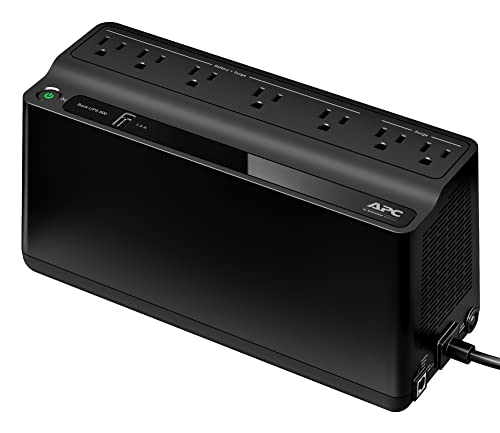 APC BE600M1 UPS Battery Backup & Surge Protector4.13D x 10.79W x 5.47H inches10.79 x 4.13 x 5.47 inches7.5 PoundsCheck on Amazon
 CyberPower ST425 Standby UPS Battery Backup and Surge425VA3.2 x 8.3 x 4.5 inches3.8 poundsCheck on Amazon
 APC BX1500M UPS Battery Backup & Surge Protector1500VA15.04 x 3.94 x 9.84 inches24.25 poundsCheck on Amazon
 CyberPower CP1500PFCLCD PFC Sinewave UPS Battery Backup and1500VA14 x 3.9 x 11 inches24.9 poundsCheck on Amazon
 APC Battery Backup 650VA/390W Uninterruptible Power Supply for11.2"D x 7.09"W x 3.46"H13.64 PoundsCheck on Amazon
 CyberPower EC850LCD Ecologic UPS Battery Backup and Surge850VA LCD12.2 x 7 x 3.1 inches7.7 PoundsCheck on Amazon
“Backup battery” can mean two different purchases. For most desks it means a UPS, the boxy uninterruptible power supply that keeps a computer, router, or NAS alive through a flicker or short outage and absorbs surges. For campsites, blackouts, and travel it can mean a portable power station. The right pick depends on whether you need seconds-to-minutes of protection for sensitive electronics or hours of off-grid power for small devices.
This guide leans toward the first meaning because seven of the eight options below are UPS units, with one portable power station included for readers who want something different. It is written for home-office workers, gamers, and anyone who has lost an unsaved file to a brownout in 2026. Specs come from the product titles only, so confirm outlet layout and runtime on each listing before ordering.
Quick Picks
APC BE600M1 UPS Battery Backup & Surge Protector for Computer, Router, NAS | 600VA/330W backup battery power supply, USB charging, 490 J surge protect. Stay on during power outages (23 minutes @ 100W)
One of the mattress protector options compared in this guide.
View on AmazonCyberPower ST425 Standby UPS Battery Backup and Surge Protector | 425VA/260W, 8 Outlets, Compact, UL Certified
One of the mattress protector options compared in this guide.
View on AmazonAPC BX1500M UPS Battery Backup & Surge Protector for Computers, Electronics | 1500VA/900W UPS backup battery power supply, 10 Outlets, 789 Joule surge protect, AVR, UL certified. 68 minutes runtime @100W
One of the mattress protector options compared in this guide.
View on AmazonCyberPower CP1500PFCLCD PFC Sinewave UPS Battery Backup and Surge Protector | 1500VA/1000W, 12 Outlets, AVR, Mini Tower, UL Certified
One of the mattress protector options compared in this guide.
View on AmazonAPC Battery Backup 650VA/390W Uninterruptible Power Supply for PC, BE650G1 | UPS battery backup for Office Electronics, NAS. Surge protection (+RJ45 e-net), 29-min runtime, UL & ENERGY STAR certified
One of the consumer electronics options compared in this guide.
View on AmazonCyberPower EC850LCD Ecologic UPS Battery Backup and Surge Protector | 850VA/510W, 12 Outlets, ECO Mode, Compact, UL Certified
One of the mattress protector options compared in this guide.
View on Amazon
APC BE425M UPS Battery Backup and Surge Protector for Small Electronics | 425VA/255W Backup Battery, Computer-grade surge protection. Quick-Mute Alarms. UL Certified mini UPS for WI-Fi routers/modems
One of the mattress protector options compared in this guide.
View on Amazon
CyberPower CP1500AVRLCD3 Intelligent LCD UPS Battery Backup | 1500VA/900W, 12 Outlets, 2 USB Ports, AVR, Mini Tower, UL Certified
One of the consumer electronics options compared in this guide.
View on Amazon| Product | Best for | Key spec from the title |
|---|---|---|
| APC BE600M1 | Router and small desktop setups | 600VA/330W, USB charging, 490 J surge |
| CyberPower ST425 | Modem, router, light loads | 425VA/260W, 8 outlets |
| CyberPower ST625U | Small desk with phone charging | 625VA/360W, 8 outlets, 2 USB ports |
| CyberPower EC850LCD | Efficient home-office PC | 850VA/510W, 12 outlets, ECO Mode |
| APC BX1500M | Gaming PC and peripherals | 1500VA/900W, 10 outlets, 789 J surge |
| CyberPower CP1500AVRLCD3 | Voltage-swing areas | 1500VA/900W, 12 outlets, AVR, LCD |
| CyberPower CP1500PFCLCD | Active PFC power supplies | 1500VA/1000W, PFC sinewave, AVR |
| Jackery Explorer 300 | Camping and blackouts | 292Wh, LiFePO4, solar-capable |
How to Choose
Size the unit by watts, not just VA
The VA number is a headline; the watt rating is the real limit. Add up the wattage of everything you plug into the battery outlets, then leave 25 to 30 percent headroom. Include the monitor, speakers, and any external drives in the total. A router, modem, and NAS can fit comfortably on 260 to 360 watts. If the numbers feel close, step up a tier, since a UPS running near its limit has less spare capacity to ride out an outage. A gaming PC with a monitor is safer on 900 watts or more, because graphics cards spike under load.
Know your waveform and voltage regulation
Standard UPS units output a stepped approximation of a sine wave on battery, which most power supplies tolerate. Active PFC power supplies in some high-end PCs can misbehave on stepped waves, which is why the CyberPower CP1500PFCLCD advertises PFC sinewave output. AVR, listed on two CyberPower models, corrects mild over- and under-voltage without draining the battery.
Count outlets and look for useful extras
Separate battery-backed outlets from surge-only outlets, since printers and speakers do not need battery power. USB charging ports, LCD displays, mute alarms, and ECO modes are convenience features. Joule ratings, like 490 J or 789 J on the APC titles, measure how much surge energy the unit can absorb; higher is better. A thunderstorm-prone area deserves the higher number.
What to ignore, and where budget models cut corners
Ignore claims of long runtime without a load figure; runtime shrinks quickly as wattage climbs. Budget units cut corners on display feedback, replaceable battery access, and outlet count. Expect a UPS to give minutes, not hours, so plan to save work and shut down safely. Position the unit where its display and alarm are visible, keep vents clear, and test it occasionally by unplugging it from the wall while you are present.
The 8 Best Options
APC BE600M1
This 600VA/330W unit is aimed at computers, routers, and NAS drives, with USB charging and 490 joules of surge protection in the title. It sits in the entry tier and works well for a modest desk setup where a few devices need a few minutes of protection. APC is a familiar name in this category. The USB charging port means a phone can top up from the same box that protects your router, which is handy during a long outage when the phone is your only connection.
- Strength: USB charging adds convenience for phones and accessories.
- Strength: sized for networking gear and small PCs.
- Trade-off: 330 watts is too low for a gaming rig.
Skip it if your system has a high-wattage graphics card.
CyberPower ST425
The ST425 is a compact standby UPS rated at 425VA/260W with eight outlets and UL certification. It is the pick for keeping a modem, router, and smart-home hub online during short outages, since those draw very little. It is also quiet and small enough to sit behind a TV stand, and the eight outlets leave room for a streaming box, console, and smart plugs. Buyers who only need the internet to survive a short flicker will not need more.
- Strength: compact footprint with eight outlets.
- Strength: UL certified, per the title.
- Trade-off: 260 watts cannot support a typical desktop tower.
Skip it if you need to protect a full PC and monitor.
CyberPower ST625U
One step up, the ST625U offers 625VA/360W, eight outlets, and two USB charging ports in a compact body. It is a sensible small-office choice for a laptop dock, router, and a phone charger. Its 360 watts leave a bit more room than the ST425, which matters when a monitor and external drive join the setup.
- Strength: two USB ports for charging.
- Strength: modest size and eight outlets.
- Trade-off: 360 watts limits it to lighter systems.
Skip it if you plan to add a power-hungry GPU later.
CyberPower EC850LCD
The Ecologic EC850LCD offers 850VA/510W, twelve outlets, and an ECO Mode that cuts idle consumption. It fits a mid-range home-office PC with a monitor and networking gear. The standby savings are small per day but add up across a year if the unit stays plugged in constantly. The LCD in the name suggests an at-a-glance readout of load and battery status.
- Strength: twelve outlets for crowded desks.
- Strength: ECO Mode suits those who care about standby energy.
- Trade-off: 510 watts is tight for gaming builds.
Skip it if you run a high-end graphics card.
APC BX1500M
With 1500VA/900W, ten outlets, and 789 joules of surge protection, the BX1500M is built for computers and electronics that draw more power. It is a reasonable match for a gaming PC with a monitor, a speaker set, and a router. Because the listing mentions electronics broadly, it also suits a living room with a console, TV, and sound bar. Remember that mainstream means a typical card, not a flagship GPU with extreme transient loads.
- Strength: 900 watts gives real headroom for a mainstream gaming desktop.
- Strength: higher surge rating than smaller APC models.
- Trade-off: the title does not mention AVR or an LCD.
Skip it if you want voltage regulation and a status display. The same applies if you live somewhere with frequent brownouts, where a model with AVR will serve you better over the years.
CyberPower CP1500AVRLCD3
This intelligent LCD model combines 1500VA/900W, twelve outlets, two USB ports, and AVR in a mini-tower body. AVR makes it more useful where the grid sags, since it corrects voltage without switching to battery. That keeps the battery fresher, since it is not drained by every small sag. Homes with older wiring or neighbors running heavy tools are the typical beneficiaries.
- Strength: AVR plus LCD readout for monitoring load.
- Strength: twelve outlets and two USB ports.
- Trade-off: no sinewave output is mentioned in the title.
Skip it if your power supply requires a pure sine wave.
CyberPower CP1500PFCLCD
The PFC sinewave unit offers 1500VA/1000W, twelve outlets, AVR, and an LCD display in a mini-tower. The sinewave output is the key selling point for computers with active PFC power supplies. Many modern gaming and workstation power supplies use active PFC, so matching the waveform avoids the occasional shutdown or buzzing some stepped-wave units cause. It is the safest bet if your supply manual says so.
- Strength: PFC sinewave output for compatibility with sensitive supplies.
- Strength: 1000 watts is the highest among the UPS models here.
- Trade-off: it sits at the premium end of the UPS group.
Skip it if your equipment is simple and a standard UPS will do. Many buyers with basic power supplies never need to pay for sinewave output.
Jackery Explorer 300
This is a different tool: a 292Wh LiFePO4 portable power station intended for outdoors, camping, travel, and blackouts, with solar panel compatibility noted in the title. It can run small devices for hours, but it is not marketed as a computer UPS. Camping lanterns, phone charging, and a small fan are the right mindset. It is also a handy blackout kit item to keep charged in a closet.
- Strength: portable and usable away from home.
- Strength: LiFePO4 battery chemistry is named in the title.
- Trade-off: it is not described as an instant-switchover UPS for desktops.
Skip it if you need seamless protection for a running PC.
Which One Fits Your Situation
You only need to keep the internet up
The CyberPower ST425 is enough for a modem and router, and the APC BE600M1 adds USB charging. Both keep a video call or a download from dropping when the lights blink.
You game on a mainstream PC
The APC BX1500M gives 900 watts, while the CyberPower CP1500AVRLCD3 adds voltage regulation. Either one leaves room for a monitor, router, and a pair of external drives.
Your PC has an active PFC supply
The CyberPower CP1500PFCLCD is the clear choice thanks to its sinewave output. Check your power supply label or manual to confirm it is an active PFC model.
You need power on the road or in a storm
The Jackery Explorer 300 serves camping and blackouts, though not as a desk UPS. Charge it before storm season and store it at a moderate temperature.
Common Mistakes
- Choosing by VA instead of checking the watt rating.
- Plugging a laser printer or space heater into battery outlets.
- Expecting hours of runtime from a desktop UPS.
- Ignoring PFC compatibility for modern power supplies.
- Forgetting that UPS batteries wear out and need replacement.
Related guides
- Aio Liquid Coolers For High Performance Gaming
- Gaming Chair Accessories And Replacement Parts
- Video Doorbell Cameras Without Subscription
Frequently Asked Questions
What is the difference between VA and watts?
VA is apparent power; watts is real power. Use the watt figure to size your load. A quick way is to read the wattage label on each device or use a plug-in meter for a day.
Do I need AVR?
If lights flicker or your area has voltage swings, AVR helps by correcting them without using the battery. It is most valuable in older buildings or rural lines.
Can a power station replace a UPS?
Only if it is designed for pass-through switching. Some power stations can act as a UPS, but you must verify that in the specifications. The Jackery title does not describe that, so treat it as a portable power source.
How long do UPS batteries last?
Many sealed batteries need replacement after a few years. Check the listing for battery replacement options. A unit that beeps constantly at startup is often signaling a weak battery.