Key takeaways
- Choose the 15-inch MacBook Air with M4 when minimum weight, quiet operation, and long light-use battery life matter most.
- Choose the 14-inch MacBook Pro with M4 Pro when you need reliable sustained editing, an excellent display, and built-in SD, HDMI, and professional ports.
- Choose the ASUS ProArt P16 when Windows compatibility, a built-in SD reader, OLED resolution, and GPU acceleration outweigh charger weight.
- Choose the ThinkPad X1 Carbon for travel-heavy culling and client work, but verify the exact display specification before ordering.
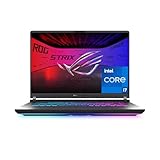
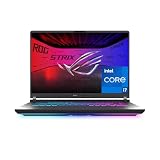
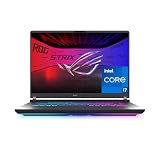
- Choose the ROG Zephyrus G14 for demanding Photoshop, AI, and video workloads when a heavier charger and shorter unplugged sessions are acceptable.
The best portable laptops for photographers in 2026 are the 15-inch MacBook Air with the M4 chip for the lightest all-round setup, the 14-inch MacBook Pro with M4 Pro for demanding RAW catalogs and tethered work, and the ASUS ProArt P16 for photographers who need Windows, built-in SD storage, and a high-resolution color-focused display.
What photographers should prioritize
Portability is more than a low product weight. A field laptop must fit beside a camera body, leave room for a card reader or tethering cable, and remain useful away from an outlet. For photography, prioritize a display with a wide-gamut mode and reliable factory calibration, at least 16GB of memory, a fast SSD, full-size USB or Thunderbolt ports, and enough battery capacity for several hours of culling and editing.
RAW editing in Lightroom, Capture One, or similar software benefits from a modern processor, but extra graphics power matters most when using AI masking, noise reduction, panorama stitching, or video. For ordinary culling and adjustments, a lightweight laptop with a good screen is usually a better travel choice than a heavier gaming machine.
Best portable laptops by shooting situation
| Photographer’s situation | Best fit | Why it makes sense | Main compromise |
|---|---|---|---|
| Frequent flights and location portraits | 15-inch MacBook Air with M4 | About 3.3 lb, excellent battery efficiency, silent operation, and a sharp wide-gamut display | Only two Thunderbolt/USB 4 ports and no built-in SD card slot |
| Wedding, event, or commercial photographer | 14-inch MacBook Pro with M4 Pro | Brighter XDR display, longer sustained performance, SDXC slot, HDMI, and three Thunderbolt 5 ports | Usually costs $1,999–$2,500 or more and weighs roughly 3.5 lb |
| Windows workflow with cards and external drives | ASUS ProArt P16 | 4K OLED display options, SD card reader, USB-A, HDMI, and strong CPU/GPU choices | About 4.2 lb before the charger, with shorter battery life under heavy editing |
| Business travel and frequent client review | Lenovo ThinkPad X1 Carbon | Roughly 2.4–2.5 lb, excellent keyboard, durable chassis, and practical connectivity | Its optional high-resolution display is less suitable for color-critical work than a dedicated OLED or wide-gamut panel |
| Maximum performance in a compact Windows body | ASUS ROG Zephyrus G14 | Powerful processors and discrete graphics in a 14-inch format | Typically around 3.3–3.5 lb, plus a large charger and less conservative battery life |
Best lightweight choice: 15-inch MacBook Air with M4
The 15-inch MacBook Air with M4 is the strongest choice for photographers who carry their computer all day and mostly edit still images. It weighs about 3.3 lb, is approximately 0.45 inches thick, and has a 15.3-inch display with wide color support. The larger screen gives Lightroom’s Library and Develop panels more breathing room than a 13-inch ultraportable without becoming a substantial burden in a camera backpack.
Choose at least 16GB of unified memory and a 512GB SSD; 24GB or 32GB is preferable for large catalogs, Photoshop layers, and simultaneous browser use. The Air is quiet because it has no fan, but sustained exports can take longer than on a MacBook Pro.
The limitation is connectivity. It has two Thunderbolt/USB 4 ports, a MagSafe charging port, and a headphone jack, but no SD card reader. A compact USB-C hub with SD, USB-A, and pass-through charging adds roughly 2–5 ounces and occupies one of the two high-speed ports. That is manageable for travel, but less convenient during a tethered shoot.
Best for professional field work: 14-inch MacBook Pro with M4 Pro
The 14-inch MacBook Pro with M4 Pro is the better head-to-head choice when speed, screen visibility, and ports outweigh the lowest possible weight. Its Liquid Retina XDR display supports a wide color gamut and high HDR brightness, which helps when checking shadow detail outdoors or evaluating highlights in a studio. It also includes an SDXC card slot, HDMI, a headphone jack, MagSafe, and three Thunderbolt 5 ports.
That built-in connectivity is valuable on location. One port can connect to a fast external SSD, another to a tethering camera, and the SD slot can ingest a second card without a dongle. The M4 Pro also maintains performance better during long exports and AI noise-reduction jobs than the fanless Air.
Expect a starting price commonly around $1,999–$2,500 depending on memory and storage. For a working photographer, 24GB of memory and 1TB of storage are sensible starting points. The laptop itself is portable, but its power adapter adds substantial bulk, so include the complete kit when comparing travel weight.
Best Windows option with a built-in card reader: ASUS ProArt P16
The ASUS ProArt P16 targets creators who want Windows software, a high-resolution OLED display, and stronger graphics hardware than an ultrabook normally provides. Depending on configuration, it combines a 16-inch 4K OLED panel with a current AMD processor and NVIDIA GeForce RTX graphics. The SD card slot, USB-A port, USB-C ports, HDMI, and audio connection reduce the need for a travel hub.
This is a particularly practical choice for photographers who also edit 4K video, use complex Photoshop composites, or rely on AI tools. The trade-off is size and endurance: the computer is around 4.2 lb, and the high-performance charger may add another 1.5–2 lb. OLED panels can also use more power when displaying bright content, and some photographers prefer a matte screen for outdoor work.
Before buying, select a display mode intended for sRGB or DCI-P3 work and calibrate it with a colorimeter. A wide gamut alone does not guarantee that web images will look correct.
Portable Windows alternatives
Lenovo ThinkPad X1 Carbon
The ThinkPad X1 Carbon is an excellent travel and client-review machine because it is near the 2.5-lb class, has a comfortable keyboard, and is easy to carry between locations. It is best for culling, metadata, Lightroom adjustments, and presentations rather than heavy GPU-assisted processing. If choosing one, look for a display explicitly rated for full sRGB coverage or better; base business panels may be too limited for dependable color decisions.
ASUS ROG Zephyrus G14
The Zephyrus G14 gives photographers a compact Windows workstation with discrete graphics. It is suitable for photographers who edit video or use demanding AI features but still want a 14-inch bag-friendly computer. Its charger is large, fan noise is more noticeable under load, and battery life is usually less predictable than on an Apple-silicon laptop. It is a performance-first travel choice, not the lightest one.
Display, ports, and battery: the practical trade-offs
| Specification | Good minimum | Better for professional work |
|---|---|---|
| Memory | 16GB | 24–36GB for large catalogs, Photoshop, and AI tools |
| Internal storage | 512GB SSD | 1TB or more, while keeping originals on a separate backup drive |
| Display resolution | 2560 × 1600 class | 3K or 4K, with documented sRGB and preferably DCI-P3 coverage |
| Color target | Full sRGB coverage | Wide-gamut display with calibration support and a usable sRGB mode |
| Ports | Two USB-C ports plus a hub | SDXC, USB-A, HDMI, and two or more high-speed USB-C ports |
| Battery capacity | 50Wh or higher | 70Wh or higher for long editing sessions away from outlets |
| Travel weight | Under 3.5 lb including the computer | Under 5 lb including computer, charger, and essential hub |
Advertised battery life is measured under controlled conditions and does not represent continuous RAW export. As a practical planning rule, expect roughly 6–10 hours for browsing, selection, and light editing on an efficient laptop, but only 2–5 hours during sustained exports, tethered live view, or AI denoising. Keep a charger or USB-C power bank that supports the laptop’s required wattage; a small phone charger may not maintain charge.
Tethered shooting and field setup details
For tethered work, check more than the number of ports. A stable USB-C or Thunderbolt connection, a short high-quality camera cable, and a second port for power or an external drive matter more than theoretical transfer speed. If the laptop has only two USB-C ports, use a hub only if it supports simultaneous data and charging at the required power. Some inexpensive hubs share bandwidth and can cause slow drives or unreliable camera connections.
Plan physical clearance as well. A 14-inch laptop needs roughly 13 inches of table width and 9 inches of depth when open, while a 16-inch model generally needs about 15 inches of width and 10 inches of depth. On a narrow 12-inch-deep folding table, a 16-inch laptop can leave too little room for a card wallet, camera tether, and mouse. A compact laptop stand can raise the screen, but it also increases the footprint and may make the setup less stable outdoors.
Our buying verdict
- Choose the 15-inch MacBook Air with M4 when minimum weight, quiet operation, and long light-use battery life matter most.
- Choose the 14-inch MacBook Pro with M4 Pro when you need reliable sustained editing, an excellent display, and built-in SD, HDMI, and professional ports.
- Choose the ASUS ProArt P16 when Windows compatibility, a built-in SD reader, OLED resolution, and GPU acceleration outweigh charger weight.
- Choose the ThinkPad X1 Carbon for travel-heavy culling and client work, but verify the exact display specification before ordering.
- Choose the ROG Zephyrus G14 for demanding Photoshop, AI, and video workloads when a heavier charger and shorter unplugged sessions are acceptable.
Whichever model you buy, reserve part of the budget for a calibrated external display at home, a fast backup drive, and a dependable card-reader or tethering cable. Those accessories have a greater effect on color confidence and file safety than moving from one modern processor to the next.