Key takeaways
- Less heat buildup than bonded leather. Woven fabric generally feels less clammy against bare legs and clothing. That matters during long gaming sessions, particularly in rooms without strong air conditioning.
- More comfortable in changing temperatures. Vinyl and faux leather can feel cold at first and hot after hours of contact. Fabric has a more neutral hand feel and usually does not become as sticky.
- Often softer and quieter. Fabric upholstery can feel less slippery, so you do not slide forward as easily when reclining. It may also produce less squeaking and rubbing noise than a chair with a large synthetic-leather surface.
- Better appearance for mixed-use rooms. A gray, black, or light-colored fabric chair can look less aggressively “gamer” than glossy leather-look upholstery. That makes it easier to use in a home office, bedroom, or shared living space.
- Good feature value at the budget end. Around $90 to $150, fabric gaming chairs frequently include reclining backs, adjustable-height arms, lumbar pillows, and sometimes footrests. A pocket-spring cushion can also provide a less rigid feel than basic foam alone.
- Less obvious peeling. Faux leather commonly cracks or flakes when exposed to body oils, heat, and repeated flexing. Fabric can stain or flatten, but it does not peel in the same way. That can make its aging pattern more predictable.
- More grip and stability. The textured surface helps keep clothing from sliding, which some users prefer for keyboard work, controller use, and reclining.
The Short Answer
Yes—breathable fabric gaming chairs can be a smart choice if you want a softer, less sticky seat than bonded leather and your room tends to run warm. The condition is that you accept more visible wear and somewhat harder cleaning than leather-look upholstery. Fabric improves day-to-day comfort, but it does not automatically make a chair ergonomic, durable, or cool in the way a fully mesh office chair can be.
What You Actually Get
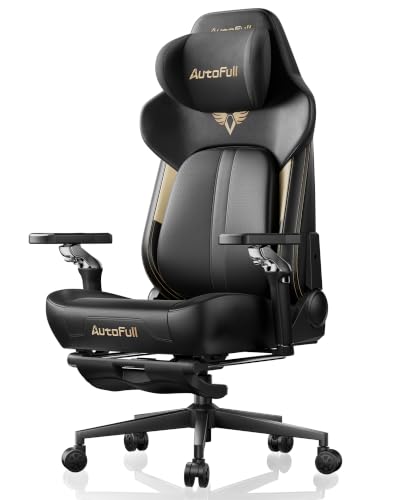
A breathable fabric gaming chair usually combines a polyester or polyester-blend cover with molded foam padding, a steel or reinforced nylon frame, adjustable armrests, a gas-lift cylinder, and a tilt or recline mechanism. Some models add a headrest pillow, lumbar cushion, footrest, or pocket-spring seat cushion.
Our top picks
 GTPLAYER Gaming Chair Fabric with Pocket Spring
- Product Group: Furniture
- Binding: Kitchen

As an Amazon Associate we earn from qualifying purchases at no extra cost to you. Ratings are shown as listed on Amazon.
“Breathable” is a broad marketing term. It may refer to woven fabric that allows more air movement than vinyl, or to small fabric panels placed beside synthetic leather. It does not necessarily mean the chair has an open-air mesh seat and back. If cooling is your top priority, inspect product photos closely and check whether the backrest is fabric-covered foam or true mesh.
Typical gaming-chair dimensions are approximately 25 to 29 inches wide at the base, with a seat width of about 16 to 21 inches and a seat height range near 17 to 21 inches. Recline ranges commonly run from 90 to 135 degrees, although the exact mechanism varies. A standard chair may weigh 35 to 50 pounds; big-and-tall models can exceed 55 pounds. Always compare the usable seat width—not just the overall width—with your body measurements.
Current budget examples illustrate the category. The GTPLAYER fabric chair with a pocket-spring cushion, footrest, and stated 350-pound capacity is listed around $113.33. The N-GEN GAMING fabric chair with lumbar support is listed around $98.96. Features at this price level can be appealing, but advertised weight limits are not a substitute for checking seat dimensions, warranty terms, base construction, and user reviews.
Pros
- Less heat buildup than bonded leather. Woven fabric generally feels less clammy against bare legs and clothing. That matters during long gaming sessions, particularly in rooms without strong air conditioning.
- More comfortable in changing temperatures. Vinyl and faux leather can feel cold at first and hot after hours of contact. Fabric has a more neutral hand feel and usually does not become as sticky.
- Often softer and quieter. Fabric upholstery can feel less slippery, so you do not slide forward as easily when reclining. It may also produce less squeaking and rubbing noise than a chair with a large synthetic-leather surface.
- Better appearance for mixed-use rooms. A gray, black, or light-colored fabric chair can look less aggressively “gamer” than glossy leather-look upholstery. That makes it easier to use in a home office, bedroom, or shared living space.
- Good feature value at the budget end. Around $90 to $150, fabric gaming chairs frequently include reclining backs, adjustable-height arms, lumbar pillows, and sometimes footrests. A pocket-spring cushion can also provide a less rigid feel than basic foam alone.
- Less obvious peeling. Faux leather commonly cracks or flakes when exposed to body oils, heat, and repeated flexing. Fabric can stain or flatten, but it does not peel in the same way. That can make its aging pattern more predictable.
- More grip and stability. The textured surface helps keep clothing from sliding, which some users prefer for keyboard work, controller use, and reclining.
Cons
- Spills are more difficult to remove. Coffee, soda, food grease, and pet accidents can soak into woven fibers and the foam beneath. A removable, machine-washable cover is uncommon, so cleaning usually means blotting quickly with mild soap and water.
- Fabric collects dust, hair, and odors. Homes with pets, smokers, or heavy cooking may require frequent vacuuming. Expect to spend a few minutes every week using an upholstery attachment or lint roller.
- It is not always cool enough. A tightly woven fabric over thick foam still blocks airflow. If your back sweats easily, a mesh office chair may outperform a fabric gaming chair even if the fabric feels nicer initially.
- Padding can flatten. Budget seat foam may compress after extended daily use. Pocket springs can improve resilience, but they do not guarantee long-term support. A chair used eight to ten hours every day faces much more stress than one used for occasional gaming.
- Stains and fading are visible. Light gray and beige upholstery can show spills immediately, while dark fabric may reveal lint and pet hair. Direct sunlight can fade some colors over time.
- Ergonomics vary widely. A racing-style backrest may have prominent side bolsters that restrict shoulder movement. Fixed lumbar pillows can also sit too high or too low. Reclining is useful, but it does not replace adjustable seat depth, reliable lumbar adjustment, and well-positioned armrests.
- Assembly and quality control can be inconsistent. Budget chairs commonly weigh 35 to 50 pounds and arrive in large, heavy boxes. Misaligned holes, loose armrests, stiff tilt controls, or a noisy base can occur, so buy from a retailer with a practical return window.
- Fabric can snag. Claws, belt hardware, rough desk edges, and repeated contact with hard surfaces may pull threads. Inspect seams around the seat corners and armrests before committing.
Who Should Buy It
Buy a breathable fabric gaming chair if you spend roughly two to six hours at a time at your desk, dislike the sticky feel of faux leather, and want a chair that can blend into an office or bedroom. It is especially suitable for people in warm climates, users who wear shorts, and households that can clean spills promptly.
Look for a seat width that leaves at least 1 to 2 inches of comfortable space on each side of your hips, a seat height that lets your feet rest flat, and armrests that place your elbows near desk height. If you are tall or broad, compare the actual backrest height and usable seat depth rather than relying only on a “big and tall” label. A stated 300- or 350-pound capacity is useful, but it should be treated as a ceiling, not a promise of superior durability.
Who Should Skip It
Skip fabric upholstery if you regularly eat and drink at your desk, have shedding pets, or need the fastest possible cleanup. A wipeable vinyl or polyurethane chair may be more practical, although it can run warmer and eventually peel.
You should also look elsewhere if you need serious ergonomic adjustment, sit for eight or more hours most days, or frequently experience back, hip, or shoulder discomfort. A quality office chair with adjustable seat depth, lumbar support, arm width, and back tension is usually a better investment. Likewise, choose a true mesh chair if maximum airflow is more important than the cushioned, enveloping feel of a gaming chair.
Cheaper Alternatives
| Option | Cost | Trade-off |
|---|---|---|
| Basic fabric task chair | $45–$90 | Usually cooler and simpler, but may lack a headrest, recline, thick padding, or adjustable arms. |
| Used commercial office chair | $50–$150 | Can offer better ergonomics for the money, but upholstery condition, cylinder wear, and warranty coverage are uncertain. |
| Entry-level mesh office chair | $70–$140 | Best airflow and easy dust removal, but the seat may feel firmer and the back may offer less lounging support. |
| Floor gaming chair | $40–$100 | Compact and casual, but it provides no normal desk height and can be difficult to stand up from. |
| Seat cushion for an existing chair | $20–$60 | Improves comfort without replacing the chair, but cannot fix poor back support, incorrect height, or unstable hardware. |
FAQ
Are breathable fabric gaming chairs better than leather gaming chairs?
They are better for users who dislike heat, sweating, and the sticky feel of synthetic leather. Leather-look chairs are easier to wipe clean and may resist small spills better, at least initially. The better choice depends on whether cooling and texture or easy maintenance matters more to you.
How do you clean a breathable fabric gaming chair?
Vacuum loose debris first, then blot spills with a lightly damp microfiber cloth and a small amount of mild detergent. Do not saturate the seat, use bleach, or apply aggressive upholstery chemicals without checking the manufacturer’s instructions. Dry the chair completely before using it. For recurring stains, a fabric protector may help, but test it on a hidden area first.
How long should a fabric gaming chair last?
A budget chair may last about two to five years, depending on daily hours, user weight, flooring, and construction quality. Occasional use can extend that range, while intensive daily use can shorten it. The gas cylinder, tilt mechanism, casters, armrests, and seat foam often show problems before the fabric itself.
Is a fabric gaming chair good for long hours?
It can be, but fabric alone does not determine comfort. For long sessions, prioritize adjustable seat height, a supportive back angle, stable armrests, adequate seat width, and a cushion that does not bottom out. Take standing or walking breaks every 30 to 60 minutes, and consider a dedicated ergonomic office chair if the gaming chair leaves you with persistent pain or numbness.