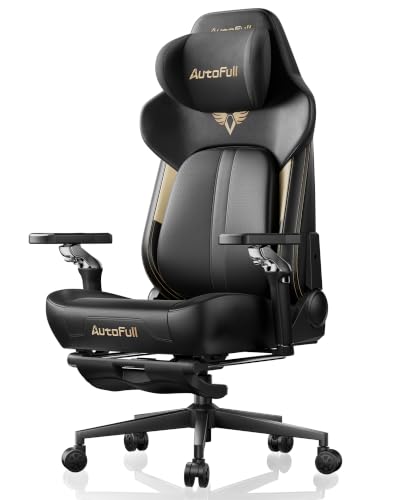
Key takeaways
- The real decision is not “work chair or game chair?” It is whether your home needs a seat built around long-term posture adjustment or one that prioritizes a more enveloping, entertainment-focused feel. An ergonomic office chair is usually designed to…
The real decision is not “work chair or game chair?” It is whether your home needs a seat built around long-term posture adjustment or one that prioritizes a more enveloping, entertainment-focused feel. An ergonomic office chair is usually designed to support frequent position changes during desk work, with breathable materials and adjustments that help fit different body sizes. A racing style gaming chair typically emphasizes a high-back bucket-seat look, padded comfort, reclining, and features such as a footrest or included cushions.
Both can work for a home desk, especially when the same chair handles remote work, homework, gaming, and streaming. But their strengths are different. Before choosing, consider how many hours the chair will be used each day, whether it must fit under a desk, how warm the room gets, and whether the chair needs to suit several people in the household.
Our top picks
 Marsail Ergonomic Office Chair: Office Desk Chair
- Product Group: Furniture
- Binding: Kitchen
 GABRYLLY Ergonomic Office Chair
- Product Group: Furniture
- Binding: Kitchen
 N-GEN GAMING Gaming Chair with Footrest
- Product Group: Furniture
- Binding: Kitchen
| Product | Key specs | Amazon rating | |
|---|---|---|---|
| Marsail Ergonomic Office Chair: Office Desk Chair | Product Group: Furniture Binding: Kitchen | 4.0★ | Check price |
| GABRYLLY Ergonomic Office Chair | Product Group: Furniture Binding: Kitchen | 4.6★ | Check price |
| N-GEN GAMING Gaming Chair with Footrest | Product Group: Furniture Binding: Kitchen | 4.6★ | Check price |
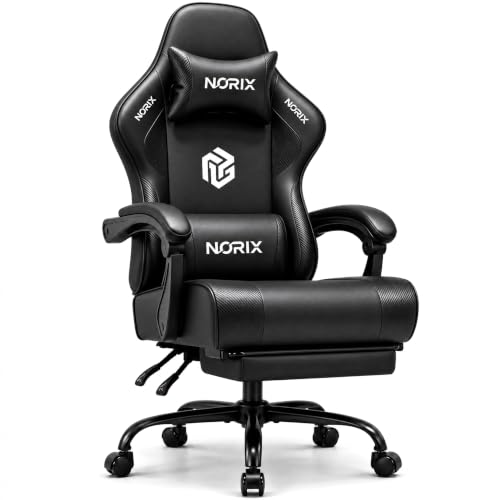 Video Gaming Chair for Adults with Footrest Video Gaming Chair for Adults with Footrest | – | Check price |
As an Amazon Associate we earn from qualifying purchases at no extra cost to you. Ratings are shown as listed on Amazon.
Quick Verdict
Choose an ergonomic office chair if the chair will be used for work, school, creative projects, or any desk-based task for three or more hours most days. A good one makes it easier to keep your feet grounded, your arms near desk height, and your back supported while you type, write, or take video calls. Mesh-back models are especially practical in warm rooms and shared workspaces.
Choose a racing style gaming chair if you want a more dramatic look, plush padding, a deeper recline, or a chair that doubles as a casual lounging seat. It can be a sensible budget pick for shorter sessions, console gaming, or a teenager’s room. The trade-off is that many low-cost gaming chairs offer fewer meaningful fit adjustments and can feel warmer during a long workday.
For most adults setting up one primary home workstation in 2026, the ergonomic office chair is the safer all-around choice. The racing style gaming chair is strongest when its style, recline, and lower entry price matter more than all-day task-chair refinement.
Side by Side
| Buying factor | Ergonomic office chair | Racing style gaming chair |
|---|---|---|
| Comfort for desk work | Usually better for upright work because lumbar support, armrests, and seat height are often more adjustable. | Often plush at first, but side bolsters and fixed cushions may limit natural movement at a desk. |
| Breathability | Mesh backs, and sometimes mesh seats, allow more airflow. | PU leather upholstery and thick foam can retain more heat. |
| Typical price range | About $120 to $600 for mainstream home-office models; premium chairs can cost much more. | About $80 to $350 for most home models; branded premium versions can exceed that range. |
| Adjustments | Commonly includes seat height, tilt tension, recline, arm adjustments, and lumbar adjustment on better models. | Usually has height adjustment and recline; armrest and lumbar adjustments vary widely by price. |
| Maintenance | Mesh needs vacuuming; fabric may need spot cleaning. Fewer upholstery-peeling concerns with mesh. | PU leather wipes clean easily, but seams and surface coating can wear or peel over time. |
| Space needed | Typically 25 to 28 inches wide, with a 25- to 28-inch rolling base. | Often 27 to 31 inches wide; a reclined back and extended footrest need extra clearance. |
| Look | Understated, professional, and easier to blend into a bedroom, living room, or shared office. | Bold, sporty, and often better suited to a dedicated gaming setup or teen room. |
| Resale appeal | Good condition, recognizable office chairs tend to appeal to a broad local buyer pool. | Resale is more style-dependent; worn upholstery can reduce interest quickly. |
| Best for | Remote workers, students, creators, shared desks, and people who run warm. | Gamers who value recline, footrests, cushioned seating, and a racing-inspired design. |
Where Ergonomic Office Chair Wins
An ergonomic office chair wins on fit. “Ergonomic” is not a guarantee of comfort by itself, but it usually signals a chair designed around adjustability rather than a one-shape-fits-all seat. Look first for a seat-height range that lets your knees sit roughly level with your hips and your feet rest flat. Most task chairs adjust within approximately 17 to 21 inches from floor to seat. Then check that the armrests can get close enough to the desk to support your forearms without forcing your shoulders upward.
Lumbar support is another major advantage. A chair with adjustable lumbar depth or height lets you position support at the natural curve of your lower back rather than relying on a loose pillow. For example, the Marsail Ergonomic Office Chair, listed at $139.99, represents the kind of value-focused office model buyers often consider when they want a mesh high back, adjustable lumbar support, 3D armrests, and a headrest without moving into premium pricing.
Office chairs also tend to be more forgiving in warm spaces. A mesh back does not make a room cooler, but it allows air to circulate more freely than an upholstered bucket-style back. That matters in a sunlit bedroom office, a top-floor apartment, or a room shared with computer equipment.
Finally, the design is generally easier to live with over time. Neutral black, gray, or white task chairs do not dominate a room. A high-back mesh option such as the GABRYLLY Ergonomic Office Chair, priced at $219.50, also shows why buyers with larger frames may favor office-chair designs: a wide cushion, headrest, and flip-up arms can be useful when a chair needs to accommodate both a desk and occasional arm-free seating.
Where Racing Style Gaming Chair Wins
Racing style gaming chairs win on atmosphere and relaxed recline. Their tall backs, pronounced shapes, and often black-and-color-accent finishes can make a basic desk setup feel more intentional. For a dedicated game room, that visual impact may be a real benefit rather than a drawback.
They also commonly offer a deeper recline than a standard task chair. Many recline from an upright position to roughly 135 degrees or farther, though the useful range depends on the chair’s balance, mechanism, and available floor space. Models with retractable footrests can be appealing for controller gaming, watching streams, or taking a break away from the keyboard. A chair with the back reclined and footrest extended can require 50 to 65 inches of clear depth, so measure before buying.
Budget is the other clear advantage. The N-GEN GAMING Gaming Chair with Footrest and Lumbar, at $79.96, and a Video Gaming Chair for Adults with Footrest at $84.99, sit in a price tier that can make sense for a first setup, a secondary room, or a growing child whose furniture needs may change soon. At that level, inspect stated weight capacity, return terms, armrest construction, and whether the footrest feels necessary or merely nice to have.
A gaming chair can also be a practical choice for people who prefer firm side support and a more contained seating position. Just remember that a bucket-style seat made for a particular body shape can feel restrictive for another. If you sit cross-legged, shift frequently, or need a very wide seat, measure the usable flat seating area rather than relying on the chair’s overall width.
Cost Over 5 Years
Purchase price is only the first number. A basic racing style gaming chair may cost $80 to $150, while a capable ergonomic office chair often starts around $130 to $250. Over five years, however, the better value depends on durability, repairability, and whether the chair remains comfortable enough to use.
Consider two realistic paths. A $100 gaming chair that lasts about two to three years before upholstery damage, a weakened armrest, or worn cushioning prompts replacement could cost $200 to $300 across five years. A $180 office chair that remains functional for five years costs less overall, even before considering comfort. On the other hand, a well-kept gaming chair with durable upholstery and a solid base can beat that estimate, while a cheaply built office chair can fail early too.
Factor in small replacement costs. A floor mat generally costs $25 to $80 and can protect carpet, hardwood, and chair casters. Replacement caster sets are often $20 to $50. If a chair uses standard removable casters, upgrading to soft rubber-style wheels may be cheaper than repairing damaged flooring. Do not assume parts will be available, though; check the brand’s warranty and parts policy before purchase.
Resale slightly favors a well-maintained office chair because its neutral appearance fits more homes. Still, resale should be treated as a bonus, not a reason to overspend. A clean chair with smooth rolling, intact arms, and no sagging seat is far easier to sell than one with cosmetic wear or a broken recline mechanism.
Which One for Your Home
Small apartment
Choose a compact ergonomic office chair, preferably with flip-up arms if the desk is in a bedroom or living area. Flip-up arms can allow the chair to slide farther under a desk, reducing visual clutter and reclaiming walking space. Avoid a large gaming chair with a footrest unless you have enough open floor behind and in front of it for recline.
Family with kids or pets
A racing style gaming chair with wipeable PU leather may be easier to clean after small spills, but inspect the upholstery carefully because claws, rough play, and frequent rubbing can damage it. A mesh office chair collects dust and pet hair but is often easy to vacuum. For either type, choose a stable five-star base, keep fingers away from recline mechanisms, and use a chair mat if children roll the chair across finished floors.
Rental
An ergonomic office chair is usually the more adaptable rental choice. Its quieter, more neutral style can move easily from a bedroom desk to a future office, and it is less likely to clash with changing décor. Protect floors with a mat, especially under hard casters. Measure elevators, narrow hallways, and doorways: assembled chair bases are often about 25 to 28 inches across.
Long-term home
Invest in the best ergonomic office chair your budget reasonably allows if it will be your primary work seat. Prioritize adjustable lumbar support, armrests, seat depth if available, and materials suited to your climate. Pick a racing style gaming chair instead when the room is truly a gaming and media space, reclining comfort is central to how you use it, and you have room for its larger footprint.
FAQ
Is an ergonomic office chair better than a gaming chair for back support?
Usually, yes, especially for desk work. An office chair is more likely to offer adjustable lumbar support and armrests that can be set for your desk height. But fit matters more than the label. A poorly sized ergonomic chair will not outperform a gaming chair that happens to fit you well.
Are racing style gaming chairs bad for working from home?
No. They can work well for shorter work sessions or mixed gaming-and-work use. The concern is that lower-priced models may provide fixed lumbar pillows, limited armrest adjustment, and heat-trapping upholstery. For full-time desk work, test the upright position and keyboard posture before making recline or footrest features a priority.
What chair size should I look for?
Start with the chair’s seat width, seat-depth range, overall height, and listed weight capacity. Many home chairs have a 19- to 22-inch seat width and a 17- to 21-inch height range, but dimensions vary. Your feet should reach the floor, your back should contact the backrest, and the seat edge should not press hard behind your knees.
Do I need a headrest?
Not necessarily. A headrest is most useful when you recline, read, watch content, or take calls away from the keyboard. During focused typing, it should not push your head forward. If you are choosing between better lumbar and arm adjustments or a headrest, prioritize the adjustments that support your working posture first.