Key takeaways
- Cleaning: Allow roughly $5 to $20 for mild upholstery cleaner, cloths, or a small fabric-cleaning tool, depending on what you already own.
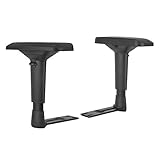
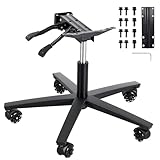
- Replacement parts: Casters, arm pads, or a gas lift may cost about $15 to $60 if compatible parts are available.
- Early replacement: Replacing an $120 chair after three years costs more annually than keeping a $220 chair for five years.
- Room protection: A $15 to $40 floor mat can protect carpet or hard flooring regardless of upholstery type.
What's inside
Choosing between bonded leather and a high density fabric gaming chair is less about picking the “better” material and more about deciding how the chair will live in your home. Will it sit in a dedicated gaming room, share space with a living room, or support eight-hour workdays? Do you prioritize a polished appearance and easy wipe-downs, or breathable comfort and dependable performance in warm weather?
Bonded leather can look sleek and furniture-like when new, while high density fabric usually offers better airflow and a softer, less sticky seat. Both can be comfortable, but construction matters just as much as upholstery: foam thickness, seat width, lumbar support, recline range, caster quality, and the chair’s weight capacity all influence the experience.
As an Amazon Associate we earn from qualifying purchases at no extra cost to you. Product prices and availability are accurate as of the date shown and are subject to change.


For 2026 shopping, expect many mainstream gaming chairs in either material to cost roughly $80 to $300, with premium models exceeding $500. Check the assembled dimensions before ordering. A typical chair may measure about 26 to 30 inches wide, 26 to 30 inches deep, and 45 to 55 inches high, while a reclined backrest can require 50 to 65 inches of clearance.
Quick Verdict
Choose bonded leather if you want a sleek, structured look, simple spill cleanup, and a chair that visually blends with a modern office or entertainment setup. It is especially practical for occasional gaming, shorter sessions, and rooms where appearance matters as much as comfort.
Choose a high density fabric gaming chair if you sit for long periods, live in a warm or humid climate, or want a less slippery, more breathable surface. Fabric is generally the stronger everyday choice for work-from-home users, serious gamers, and households where comfort over several hours matters.
The important qualification is quality. Cheap bonded leather may peel after repeated use, while inexpensive fabric can pill, absorb odors, or develop flattened cushioning. Look beyond the covering and compare the foam, frame, warranty, seat dimensions, and replacement-part availability.
Side by Side
| Factor | Bonded Leather | High Density Fabric |
|---|---|---|
| Comfort | Firm, smooth, and supportive; can feel warm or sticky | Breathable and less slippery; comfort depends on foam density |
| Durability | Resists surface spills but can crack or peel with age | Usually avoids peeling; may snag, stain, pill, or flatten |
| Price range | About $80–$350 for common models | About $100–$400 for common models |
| Maintenance | Easy routine wiping; avoid harsh cleaners and excess moisture | Needs vacuuming and spot cleaning; stains require faster attention |
| Space needed | Typically 26–30 inches wide; reclining clearance still matters | Typically 26–30 inches wide; bulky padding may increase depth |
| Look | Polished, uniform, and often closer to executive-office furniture | Casual, soft, and available in more colors and textures |
| Resale | Can photograph well when the surface is intact | Can retain appeal if clean and odor-free, but wear is visible |
| Best for | Spill-prone rooms, occasional use, and coordinated interiors | Long sessions, warm rooms, and daily work or gaming |
Where Bonded Leather Wins
Bonded leather has a smooth, consistent surface that makes a gaming chair look more finished than many basic upholstered models. Black bonded leather, in particular, pairs easily with desks, monitor stands, and home theater furniture. Its structured appearance can also help a gaming setup feel intentional rather than temporary.
Cleanup is its clearest practical advantage. A fresh splash of soda, coffee, or water can usually be removed with a soft, slightly damp cloth. That does not make the chair stain-proof: seams, perforations, and worn areas can still absorb moisture. Avoid abrasive pads, alcohol-heavy products, and soaking the upholstery, since aggressive cleaning can damage the finish.
Bonded leather can also be useful in a shared room where crumbs and surface dust are common. A five-minute weekly wipe-down is often simpler than brushing debris out of a fabric weave. If you are repairing or reinforcing upholstery rather than buying a complete chair, craft materials such as the CABODYALS 1.64-yard black bonded leather paper liner, listed at $18.19, and the BENECREAT 59-by-15.7-inch sandy brown leather stiffener roll, listed at $14.69, show the low cost of small leather-related workshop supplies. They are not substitutes for purpose-made chair upholstery, but they may be relevant for limited sewing, lining, or reinforcement projects.
The weakness is aging. Bonded leather is made with leather fibers and a polymer surface, not a single hide. Body heat, friction, sunlight, and repeated flexing can eventually cause cracking, flaking, or peeling. Once the top layer begins to fail, cosmetic repairs are often temporary. A chair with a warranty covering upholstery defects is worth extra consideration.
Where High Density Fabric Gaming Chair Wins
Fabric is usually more comfortable for long sessions because it allows more air exchange between your body and the chair. That matters when you work, stream, or play for four to eight hours. It also feels less cold in winter and less clammy in summer than a nonperforated synthetic leather surface.
The textured surface provides traction, so you are less likely to slide forward when leaning back or shifting position. That can make a difference for users who dislike the slick feeling of leather-look upholstery. Fabric also tends to hide small scuffs better than black bonded leather, although light-colored fabric may show stains more readily.
“High density” should not be treated as a complete quality guarantee. It often refers to the cushioning foam, but listings do not always provide a standardized density measurement. Look for a supportive seat with enough depth for your thighs, a backrest that supports your shoulders, and a weight rating with comfortable margin above the user’s actual weight. A chair rated for 275 pounds, for example, may be a more sensible choice for a 220-pound user than one rated for 250 pounds.
Fabric’s disadvantages are mostly maintenance-related. Dust, pet hair, crumbs, and odors can settle into the weave. Vacuum the seat and backrest with a brush attachment, blot spills rather than rubbing them, and check whether the cover is removable before buying. In a humid home, allow the chair to dry fully after spot cleaning.
Cost Over 5 Years
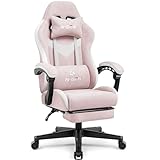
The purchase price does not tell the whole story. A mainstream bonded leather chair may cost $80 to $250, while a fabric chair with comparable recline and support may cost $100 to $300. For example, the N-GEN GAMING chair with footrest, lumbar support, and a high back is listed at $79.96, while the N-GEN GAMING model with lumbar support and breathable pink fabric is listed at $119.98. Those prices illustrate how features, color, and upholstery can shift the initial cost; they do not establish which chair will last longer.
Over five years, estimate more than the sticker price:
- Cleaning: Allow roughly $5 to $20 for mild upholstery cleaner, cloths, or a small fabric-cleaning tool, depending on what you already own.
- Replacement parts: Casters, arm pads, or a gas lift may cost about $15 to $60 if compatible parts are available.
- Early replacement: Replacing an $120 chair after three years costs more annually than keeping a $220 chair for five years.
- Room protection: A $15 to $40 floor mat can protect carpet or hard flooring regardless of upholstery type.
A simple five-year comparison is useful: a $150 chair kept for five years costs about $30 per year before maintenance, while a $250 chair replaced after three years effectively costs about $83 per year during its useful period. Upholstery alone does not determine this outcome, so prioritize build quality and warranty over a small difference in fabric price.
Which One for Your Home
Small apartment
Choose the upholstery that best fits the room’s visual language, then verify the measurements. A chair that is 28 inches wide may technically fit a desk nook, but its armrests and recline path can make the area feel crowded. Bonded leather often works well in a compact, modern apartment because its uniform surface looks tidy. A fabric chair is preferable if the apartment runs warm or doubles as your full-time office.
Family with kids or pets
Bonded leather is easier to wipe after everyday spills, but it is vulnerable to claws, sharp toys, and peeling caused by heavy friction. Fabric handles some surface scuffs more quietly, yet it can trap fur and absorb messes. For either option, select dark, tightly woven upholstery, keep the chair away from pet-accessible scratching areas, and confirm that replacement cushions or arm pads are available.
Rental
Fabric can be the safer visual choice if you want a softer chair that feels less industrial and does not dominate the room. Bonded leather is also rental-friendly when placed on a floor mat and kept away from direct sunlight. In either case, use a chair mat on delicate flooring and measure doorways, elevators, and stair turns before delivery. Many chairs weigh approximately 35 to 60 pounds, so a boxed delivery can be awkward in a small building.
Long-term home
Buy for daily ergonomics rather than appearance alone. A breathable high density fabric gaming chair is usually the better fit for a permanent work-and-play station, especially if you sit for long sessions. Bonded leather makes sense when the chair is used a few hours at a time and coordinated design is a priority. Whichever material you choose, look for adjustable armrests, a stable five-star base, a lockable recline, and a warranty that clearly explains coverage for the upholstery and gas lift.
FAQ
Is bonded leather better than fabric for gaming chairs?
Neither is universally better. Bonded leather is easier to wipe clean and often looks more polished, while fabric is usually cooler, less slippery, and more comfortable for extended use. Your climate, schedule, and household messes should decide the material.
Does bonded leather peel faster than fabric wears out?
It can. Bonded leather may develop cracking or peeling after prolonged friction, heat, or sunlight. Fabric does not peel in the same way, but it can stain, pill, snag, or compress. A protective chair cover may slow wear but will not correct poor-quality upholstery.
What does high density mean in a fabric gaming chair?
It generally describes denser cushioning foam intended to resist premature flattening. Because manufacturers do not always publish comparable foam specifications, also evaluate seat thickness, support, warranty terms, and the chair’s weight rating.
How long should a gaming chair last?
A reasonable planning horizon is about three to five years for a moderately priced chair, though use, weight, cleaning, sunlight, and construction can shorten or extend that period. Regularly tighten hardware, avoid standing on the seat, keep casters clear, and replace worn mechanical parts when possible.