Key takeaways
- No dimensions. “Universal” does not tell you whether the cushion fits your chair or body.
- Unclear foam construction. Marketing language such as “medical grade” is not a substitute for thickness, layers, density, or weight capacity.
- A deep, narrow cutout. It can feel restrictive and may make you sit unevenly.
- A seat that sinks immediately. Excessive softness can increase pressure on the frame and make standing harder.
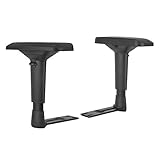
- Fixed armrests. If they prevent your chair from sliding under the desk, they can encourage forward leaning.
- No return information. Comfort is personal, and a product with no practical return option is a risky purchase.
- Unrealistic medical promises. A chair can support better sitting habits, but it should not promise to cure tailbone pain, sciatica, or other conditions.
What's inside
Choosing a chair for tailbone pain is not simply a matter of finding the softest seat. A cushion that feels comfortable for five minutes can compress flat after an hour, tilt your pelvis backward, or put pressure directly on the coccyx. Another common mistake is buying a chair with extensive adjustments but a seat pan that is too deep, too narrow, or poorly shaped for your body.
The best setup reduces direct pressure on the tailbone, supports a neutral pelvis, and lets you change position throughout the day. It should also fit your desk, floor space, and budget. Use the measurements below as starting points, then prioritize adjustability and fit over appearance. If pain is severe, follows an injury, causes numbness or weakness, or does not improve, consult a medical professional before changing your workstation.
As an Amazon Associate we earn from qualifying purchases at no extra cost to you. Product prices and availability are accurate as of the date shown and are subject to change.


Decide These 3 Things First
- Whether you need a chair, a cushion, or both. If your existing chair has adjustable height and a suitable backrest but a hard or flat seat, a quality coccyx cushion may be enough. If the seat pan is too deep, the backrest does not support you, or the chair forces your knees above your hips, replace the chair rather than layering cushions.
- How many hours you sit continuously. Someone who sits for 30 minutes at a time has different needs from someone who works eight hours at a desk. Longer sessions require a stable base, breathable materials, adjustable armrests, and a seat that retains its shape.
- Your measurements and workstation height. Measure your hip width while seated, the distance from the back of your hips to the crease behind your knees, and the height of your desk. A chair that fits your body can still be wrong if its armrests cannot slide under the desk or its seat height leaves your feet unsupported.
Seat Size and Fit
Seat dimensions are among the most important specifications, yet they are often overlooked. A useful starting point for an adult office chair is a seat width of about 18 to 21 inches and a seat depth of roughly 16 to 19 inches. Your hips should fit without pressing against the side bolsters, but excessive width can make it difficult to use the armrests comfortably.
When seated with your back against the backrest, leave approximately 2 to 3 inches between the front edge of the seat and the backs of your knees. Too much depth encourages you to slide forward, which can increase pressure on the coccyx. Too little depth fails to support your thighs.
For a separate tailbone cushion, look for a footprint near 17 to 18 inches wide and 13 to 15 inches deep. Check the cushion’s height before buying: a 2.5- to 3.5-inch cushion can raise you enough to make your desk or armrests feel too low. After adding a cushion, your feet should remain flat on the floor, with your knees close to a 90-degree angle. A footrest can correct the height if necessary.
Material and Cushion Density
Memory foam is popular because it conforms around the pelvis and can reduce concentrated pressure. It also tends to retain heat and may feel slow to respond when you shift. High-resilience foam feels more responsive and is often easier to reposition on, while layered foam can combine a supportive base with a softer top.
Do not judge foam only by thickness. A 3-inch cushion is not automatically more supportive than a 2-inch cushion. Look for a firm, stable lower layer and a top layer that does not allow your hips to sink directly onto the chair frame. For most office use, approximately 2 to 4 inches of total cushion thickness is a practical range.
Breathable covers, mesh panels, or removable washable covers matter if you sit for several hours. A zippered cover is easier to maintain than a permanently sewn cover. Avoid covers that slide easily on leather, vinyl, or polished wood; a non-slip bottom or chair straps can keep the cushion centered.
Construction and Pressure Relief
A tailbone-friendly design usually has a U-shaped or waterfall-style cutout at the rear of the cushion. The goal is to reduce direct contact beneath the coccyx, not to create a deep hole that makes the pelvis unstable. The cutout should align with your tailbone when you sit normally. If it sits too far forward or backward, it may not help.
The front edge should slope gently downward or use a waterfall profile rather than forming a hard ridge behind your knees. A firm edge can interfere with circulation and encourage you to perch at the front of the seat. On a chair, a waterfall edge is also useful when the seat pan is slightly too long.
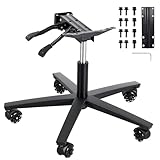
For a complete ergonomic chair, prioritize a backrest with adjustable lumbar support, a seat-height range of approximately 17 to 21 inches, and armrests that adjust in at least height. Seat tilt, seat depth, and forward tilt are valuable additions, but only if the mechanisms lock securely. A five-wheel base is generally more stable than a four-wheel base, and a chair rated for at least 250 pounds gives a reasonable starting point for durability—though the rating must match your actual needs.
Comfort and Performance Over a Full Day
Test the chair for posture, not just initial softness. Sit with your hips back, your shoulders relaxed, and your feet supported. You should be able to place two fingers between the seat edge and the backs of your knees. The backrest should support your lower back without pushing your upper body forward.
Change position at least every 30 to 60 minutes. No chair eliminates the need for movement, and a very soft seat may disguise poor posture rather than solve it. A cushion should remain centered when you turn, stand, or shift your weight. If you constantly adjust it, its shape, cover, or size may be wrong for your chair.
For a home office, look for a tilt mechanism with a recline range of about 90 to 120 degrees. A modest recline can reduce the load on the lower back and tailbone compared with sitting bolt upright. Use the armrests to keep your elbows near a 90-degree bend, and position the monitor so you are not leaning forward.
Price Tiers: What You Get
Budget: $20 to $45. This range includes many standalone memory-foam seat cushions. Examples in this category include products such as the CushZone Ergonomic Seat Cushion at about $19.95, the 5 STARS UNITED cushion at about $28.95, and the BlissTrends cushion at about $35.99. Expect basic foam, a removable cover on some models, and limited adjustment. These can be a sensible first step when your existing chair is otherwise a good fit.
Midrange: $45 to $150. You may find denser or layered foam, more durable covers, larger dimensions, and better non-slip construction. An example such as the Everlasting Comfort cushion, listed around $59.99, illustrates the upper end of a cushion-only purchase. Midrange office chairs typically add adjustable armrests, lumbar support, and a better tilt mechanism.
Premium: $150 to $500 or more. This tier may offer a wider adjustment range, stronger mechanisms, breathable upholstery, longer warranties, and more durable components. Premium pricing is worthwhile only if the chair fits your measurements. A costly chair with an unsuitable seat depth can be less comfortable than a well-fitted budget chair with a supportive cushion.
Warranty and Return Policy
Foam feel is difficult to evaluate from a product page, so a generous return period is especially valuable. Look for at least 30 days, with 60 to 90 days providing more time to assess comfort during a full work routine. Check whether the item must be returned unused, whether compression marks are excluded, and who pays return shipping.
For a complete chair, a one-year warranty is a basic minimum. Three to five years is more reassuring for the frame, gas lift, tilt mechanism, and casters, although upholstery and foam may have shorter coverage. Read the exclusions: warranties may not cover normal wear, commercial use, weight above the stated limit, or damage caused by assembly.
Delivery and Assembly
A seat cushion should arrive ready to use, although compressed foam may need 24 to 72 hours to expand fully. Do not judge its final height or firmness immediately after opening. If it has a strong odor, air it out in a ventilated room before use and follow the manufacturer’s care instructions.
Office chairs commonly require 20 to 45 minutes of assembly and may weigh 30 to 60 pounds. Confirm that the package includes the necessary tools and that the box can pass through your doorway. For heavier premium chairs, two-person assembly can prevent damage and make it easier to align the backrest and armrests correctly.
Spec Checklist
| Spec | Budget | Mid | Premium |
|---|---|---|---|
| Typical price | $20–$45 cushion | $45–$150 cushion or chair | $150–$500+ chair |
| Seat or cushion width | 16–18 inches | 17–20 inches | 18–21 inches |
| Cushion thickness | 2–3 inches | 2.5–4 inches | 2.5–4 inches, layered foam |
| Tailbone design | Basic U-shaped cutout | Contoured cutout and non-slip base | Contoured, stable, replaceable-cover design |
| Chair seat height | 17–20 inches | 17–21 inches | 16.5–22 inches |
| Adjustments | Height and tilt | Height, tilt, lumbar, armrests | Height, depth, tilt, lumbar, 3D or 4D armrests |
| Warranty target | 30-day return | 1–3 years | 3–5 years or longer |
Red Flags
- No dimensions. “Universal” does not tell you whether the cushion fits your chair or body.
- Unclear foam construction. Marketing language such as “medical grade” is not a substitute for thickness, layers, density, or weight capacity.
- A deep, narrow cutout. It can feel restrictive and may make you sit unevenly.
- A seat that sinks immediately. Excessive softness can increase pressure on the frame and make standing harder.
- Fixed armrests. If they prevent your chair from sliding under the desk, they can encourage forward leaning.
- No return information. Comfort is personal, and a product with no practical return option is a risky purchase.
- Unrealistic medical promises. A chair can support better sitting habits, but it should not promise to cure tailbone pain, sciatica, or other conditions.
FAQ
Is a cushion or a new chair better for tailbone pain?
A cushion is a reasonable first step if your chair already supports your back, has a suitable seat depth, and allows your feet to rest flat. Replace the chair when its seat is damaged, too deep, too narrow, or impossible to adjust. Adding a cushion cannot fix a poor frame or an unsuitable desk height.
Should a tailbone cushion be firm or soft?
Choose supportive rather than extremely soft foam. Your hips should sink slightly without bottoming out or sliding forward. A medium-firm base with a softer top layer is often more stable than a single plush layer, but the right feel depends on body weight, posture, and personal comfort.
How high should my office chair be?
Set the chair so your feet are flat, your knees are close to a 90-degree angle, and your thighs are roughly level with the floor. Your elbows should rest near 90 degrees when typing. If a cushion raises you too high, lower the chair or use a footrest rather than allowing your feet to dangle.
When should I stop self-treating tailbone pain?
Seek medical advice if pain follows a fall or other injury, becomes severe, persists despite reasonable changes, or occurs with numbness, weakness, fever, bowel or bladder changes, or unexplained symptoms. Ergonomic improvements can reduce sitting strain, but they cannot diagnose or treat every cause of coccyx pain.