Our Top Picks
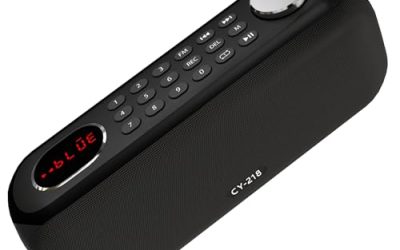
 Saiyin Powered Bluetooth Bookshelf Speakers4 Inch Woofer11.8 x 9 x 6.7 Inches10.2 poundsCheck on Amazon
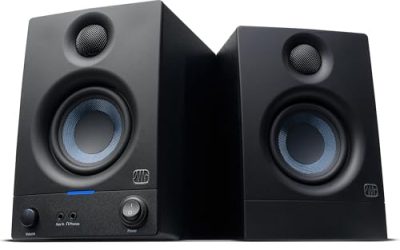
 Sony SS-CS5M2 3-Way 3-Driver Hi-Res Compact Bookshelf Speakers8.7 x 7 x 13.2 Inches1 poundsCheck on Amazon
Shopping for bookshelf speakers for the home starts with one fork in the road: do you want a pair that plugs into an amplifier or receiver you already own, or a pair with the amplification built in so a TV, turntable, or laptop can connect directly? Both camps use the same “bookshelf” label, yet they behave very differently on a desk, a media console, or an actual shelf. Passive pairs reward you with upgrade paths and tonal headroom, while powered pairs reward you with fewer boxes and cables.
This guide is for buyers furnishing a living room, den, or small apartment who want a stereo pair that does not dominate the space. As of 2026 the listings range from compact wired pairs built for home theater duty to powered Bluetooth sets aimed at record players and monitors. Everything below is judged only from the specs printed in each product title, so use it to narrow the field and then confirm the details on the product page before you order.
Quick Picks

Polk Audio T15 100 Watt Home Theater Bookshelf Speakers, Black, 1 Pair | Compact Size, Hi-Res Surround Audio with Deep Bass Response, Dolby and DTS Surround, Wall-Mountable
One of the consumer electronics options compared in this guide.
View on AmazonSaiyin Powered Bluetooth Bookshelf Speakers | 40W*2, 4 Inch Woofer, Bluetooth/Optical/Auxiliary/RCAInputs,Sub Out, TV/Turntable/Record Player/PC/Computer
One of the consumer electronics options compared in this guide.
View on AmazonSony SS-CS5M2 3-Way 3-Driver Hi-Res Compact Bookshelf Speakers (Pair) | CS Speaker Home Theater Series, 5.12-inch Woofer, High Precision Tweeters, Hi-Res Audio, Premium Componentry
One of the consumer electronics options compared in this guide.
View on Amazon
Pyle 6.5” Wired Bookshelf Speakers Pair – 2-Way HiFi Home Theater Stereo Speakers with Soft Dome Tweeter, Paper Cone Woofer & Wall Mount Brackets – Compact Speaker System, Black
One of the consumer electronics options compared in this guide.
View on Amazon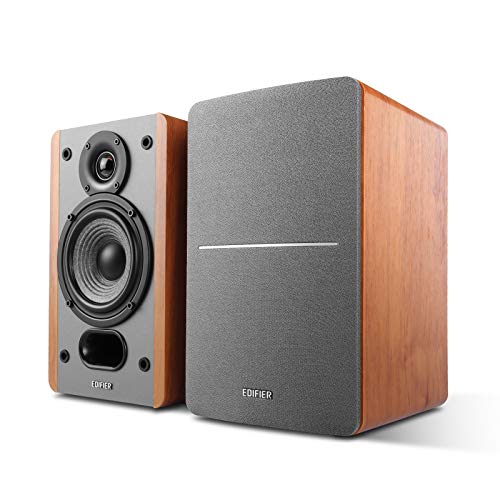
Edifier P12 Passive Bookshelf Speaker - 2-Way Speakers with Built-in Wall-Mount Bracket - Wood Color, Pair - Needs Amplifier or Receiver to Operate
One of the consumer electronics options compared in this guide.
View on Amazon
Klipsch R-51M Bookshelf Speaker (Pair), Black
One of the consumer electronics options compared in this guide.
View on Amazon
Saiyin Powered Bluetooth Bookshelf Speakers | 30W*2, 3.75 Inches Woofer, Bluetooth/Optical/Auxiliary/RCA Inputs, TV/Turntable/Record Player/Computer/PC
One of the consumer electronics options compared in this guide.
View on Amazon
Klipsch R-15M Bookshelf Speaker (Pair)
One of the consumer electronics options compared in this guide.
View on Amazon
RIOWOIS Powered Bookshelf Speakers, Desktop Speakers for Record Player | 40W, 2.75" Woofer, Silk Dome Horn Tweeter, Supports TV-ARC/Optical, AUX/Bluetooth 5.3 Input, Compatible with Fire TV Remote
One of the consumer electronics options compared in this guide.
View on Amazon| Product | Best for | Key spec from the title |
|---|---|---|
| Polk Audio T15 | Budget home theater pair | 100 watt rating, Dolby and DTS support |
| Saiyin 40W powered | TV and turntable setups | 40W x 2, 4-inch woofer, Sub Out |
| Sony SS-CS5M2 | Detail-focused listening | 3-way, 3-driver, 5.12-inch woofer |
| Pyle 6.5-inch wired | Wall-mount flexibility | 2-way, soft dome tweeter, brackets included |
| Edifier P12 | Pairing with an existing amp | Passive, built-in wall-mount bracket |
| Klipsch R-51M | Stereo upgrade from a soundbar | Bookshelf pair, black finish |
| Saiyin 30W powered | Small desks and bedrooms | 30W x 2, 3.75-inch woofer |
| Klipsch R-15M | Compact passive pair | Bookshelf pair from the R series |
| RIOWOIS powered | Desktop and record player use | 40W, 2.75-inch woofer, TV-ARC input |
How to Choose
Passive or powered
Passive speakers, such as the Polk, Sony, Pyle, Edifier, and Klipsch pairs here, need a separate amplifier or receiver with speaker-wire outputs. Powered models carry an amplifier inside one cabinet and usually add Bluetooth, optical, RCA, or AUX inputs. If you already own a receiver with spare channels, passive is the efficient route. If you own nothing, a powered pair removes an entire purchase from the budget.
Woofer size and driver count
Woofer diameter hints at how low a cabinet can play. A 2.75-inch or 3.75-inch driver suits desktops and nearfield listening, a 4-inch driver steps toward fuller midrange, and a 5.12-inch or 6.5-inch woofer moves more air for a room. A three-way design with a dedicated midrange driver, as the Sony listing describes, separates vocals from bass more cleanly than a two-way design at similar size.
Connections you will actually use
Match the inputs to your sources. A television with an ARC port pairs neatly with a set that lists TV-ARC or optical. A turntable with a built-in preamp needs RCA inputs. A subwoofer later needs a Sub Out jack, which the larger Saiyin listing mentions. Bluetooth is handy for phones, but wired inputs avoid compression and lag when watching video.
Where budget pairs cut corners
Low-cost cabinets tend to economize on enclosure bracing, binding posts, and tweeter quality. Wattage ratings printed on a box say little about loudness or clarity, so ignore big numbers and look at driver sizes, frequency coverage, and the inputs list. Placement matters as much as the spec sheet: pull cabinets a few inches from the back wall, angle them toward the seating position, and keep the tweeters near ear height. Even a modest pair sounds noticeably cleaner when it is positioned with care, and an expensive pair sounds muddy when it is shoved into a cabinet. If you plan to wall-mount, check that brackets or mounting points are mentioned, as they are for the Pyle and Edifier listings.
The 9 Best Options
Polk Audio T15
This compact pair is aimed at home theater duty, and the title leads with a 100 watt rating, Hi-Res audio, and Dolby and DTS support. That makes it a sensible choice for a first stereo or surround upgrade where you already own an AV receiver. Because the cabinets are small, they slip onto stands or shelves without crowding a room.
- Strength: compact footprint that suits small rooms and surround duty.
- Strength: listing highlights deep bass response for its size.
- Trade-off: passive design means you must supply an amplifier.
Skip it if you want plug-and-play with a TV and nothing else.
Saiyin 40W Powered Bookshelf Speakers
The most connection-rich set in this group. The title lists 40W x 2, a 4-inch woofer, and Bluetooth, optical, auxiliary, and RCA inputs, plus a Sub Out for adding a subwoofer later. It targets televisions, turntables, and computers, which covers most living room sources without adapters.
- Strength: broad input list reduces the need for extra gear.
- Strength: Sub Out leaves a path to fuller bass.
- Trade-off: a 4-inch woofer limits bass depth in a large room.
Skip it if you already own a receiver and prefer passive speakers.
Sony SS-CS5M2
A three-way, three-driver design with a 5.12-inch woofer and high precision tweeters, sold as a pair and labeled Hi-Res. Dedicated drivers for each frequency band usually give vocals and instruments more separation than two-way boxes. The CS series branding places it within a home theater lineup, so it blends with matching center and surround models.
- Strength: three-way layout aims for clearer midrange detail.
- Strength: larger woofer than most pairs in this guide.
- Trade-off: passive, so an amplifier or receiver is required.
Skip it if shelf depth is tight or you want Bluetooth built in.
Pyle 6.5-Inch Wired Bookshelf Speakers
Pyle pairs a 6.5-inch paper cone woofer with a soft dome tweeter in a two-way cabinet, and the title says wall mount brackets are included. That bracket detail matters for buyers who want speakers off the furniture entirely. The large woofer promises more low-end presence than the smaller powered sets.
- Strength: bigger woofer for fuller sound in a medium room.
- Strength: mounting brackets come with the pair.
- Trade-off: wired passive pair, so it needs a receiver.
Skip it if you want wireless streaming or a minimal footprint.
Edifier P12
The title is unusually direct: a passive two-way pair with a built-in wall-mount bracket in a wood color, needing an amplifier or receiver to operate. For buyers who already own that hardware, it is a clear and honest listing. The built-in bracket also makes mounting simpler than speakers that rely on add-on hardware.
- Strength: wood-tone finish blends with home decor.
- Strength: bracket is part of the cabinet design.
- Trade-off: cannot run on its own, since it has no amplification.
Skip it if you plan to connect straight to a television or phone.
Klipsch R-51M
The listing gives only the model, a pair, and a black finish, so buyers should read the product page for driver sizes and impedance. Klipsch is a long-established name in bookshelf designs, and the “M” in the model name marks it as the monitor-sized cabinet in its series. It suits someone upgrading from a soundbar to true stereo with a receiver.
- Strength: a recognized speaker brand with a compact monitor format.
- Strength: simple black finish fits most rooms.
- Trade-off: title lists no specs, so confirm details before buying.
Skip it if you need Bluetooth or built-in power.
Saiyin 30W Powered Bookshelf Speakers
The smaller sibling of the 40W set, with 30W x 2 and a 3.75-inch woofer, and the same Bluetooth, optical, auxiliary, and RCA input list. It targets televisions, turntables, and computers, so it fits a bedroom or compact living space. It lacks the Sub Out that the larger model lists.
- Strength: multiple inputs cover TVs, turntables, and PCs.
- Strength: smaller cabinets fit tight shelves and desks.
- Trade-off: no Sub Out is listed for later bass expansion.
Skip it if your room is large or you want a subwoofer option.
Klipsch R-15M
Another pair with a minimal title: Klipsch R-15M, bookshelf, sold as a pair. Without listed driver details, the practical reading is a compact passive speaker for a receiver-based setup. Buyers comparing it to the R-51M should compare cabinet dimensions and frequency range on the product page, since the title does not state them.
- Strength: brand pedigree in compact bookshelf designs.
- Strength: pair packaging means no second purchase.
- Trade-off: bare title leaves specs to verify yourself.
Skip it if you want inputs for streaming or a turntable without a receiver.
RIOWOIS Powered Bookshelf Speakers
These desktop-leaning speakers list 40W, a 2.75-inch woofer, a silk dome horn tweeter, and support for TV-ARC, optical, AUX, and Bluetooth. The ARC input is notable because a single HDMI-linked cable can let the television remote control the volume. The woofer is small, so it fits a desk better than a large room.
- Strength: TV-ARC and optical support simplify television use.
- Strength: silk dome tweeter aims for smoother treble.
- Trade-off: 2.75-inch woofer limits low-frequency output.
Skip it if bass weight matters most.
Which One Fits Your Situation
You have a receiver and want a stereo upgrade
The Sony SS-CS5M2 offers the most elaborate driver layout in the group, while the Polk Audio T15 keeps the footprint smaller. Pick the Sony for detail, the Polk for tight spaces.
You want to plug into a television and turntable
The Saiyin 40W set lists the broadest input range, including Sub Out for a subwoofer later. It removes the need for a separate amplifier, and a single pair can serve the TV for movies, the turntable for weekend vinyl, and a phone over Bluetooth for background playlists.
You plan to mount speakers on a wall
The Edifier P12 has the bracket built in, and the Pyle 6.5-inch pair ships with brackets. Both still need an amplifier.
You have a compact desk or bedroom shelf
The RIOWOIS set pairs a small woofer with TV-ARC support, and the Saiyin 30W set adds RCA for a record player.
Common Mistakes
- Buying passive speakers without an amplifier or receiver to drive them.
- Trusting wattage figures instead of woofer size, driver count, and inputs.
- Ignoring shelf depth and the room needed behind a cabinet.
- Skipping the input check, then discovering the TV or turntable has no matching jack.
- Assuming bookshelf speakers deliver room-filling bass without a subwoofer.
Related guides
- Aio Liquid Coolers For High Performance Gaming
- Gaming Chair Accessories And Replacement Parts
- Video Doorbell Cameras Without Subscription
Frequently Asked Questions
Do bookshelf speakers need to sit on a bookshelf?
No. The name describes the size. Stands, desks, and wall brackets often give better results because they put the tweeters near ear height and free the cabinets from boomy shelf resonance. If a shelf is the only option, leave breathing room around the cabinet and avoid pushing it into a tight cubby, because enclosed spaces exaggerate bass and blur vocals.
Is a powered pair better than a passive pair?
Neither is better in general. Powered pairs are simpler and cheaper to set up, while passive pairs let you choose or upgrade the amplifier separately.
Can I add a subwoofer later?
Only if the speakers or amplifier have a subwoofer output. Among powered models here, the larger Saiyin listing mentions a Sub Out. With passive pairs, the receiver supplies the subwoofer connection.
How many watts do I need?
For apartments and dens, modest ratings are plenty. Focus on driver size and inputs first, since printed wattage varies in how it is measured and says little about sound quality.