Key takeaways
- Change in small steps: Adjust voltage and clock by tiny increments so you can pinpoint the stable edge without wild crashes.
- Test with real games: Some titles stress the GPU differently than benchmarks, so validate your curve in the games you actually play.
- Save your profile: Store the stable undervolt in Afterburner and set it to apply on startup so it’s always active.
- Add a support bracket: Prevent long-term GPU sag on heavy cards to protect the PCIe slot while you’re improving thermals.
Undervolting your GPU is a rare win-win in PC tuning: you lower the voltage the card draws while holding the same clock speeds, cutting temperatures, fan noise and power draw with little or no loss in performance. Some cards even gain a few frames because they stop thermal-throttling. It’s completely safe, fully reversible, and needs only free software like MSI Afterburner. For anyone with a hot or loud graphics card, it’s the best afternoon project in gaming.
This guide explains why undervolting works, how to build a stable voltage-frequency curve, and how to test it so your games never crash. We’ll also cover keeping the card physically supported and cool, since a GPU support bracket prevents sag on heavy modern cards. Follow the steps and you’ll likely drop temperatures by 10-15C while keeping nearly all your performance.
Our top picks
 acer GPU Support Bracket
- [Esports-grade Materials] Constructed from high-quality aluminum alloy, the…
- [Ajustment Freely] The detachable design features precise 0.5mm…
- [Powerful Magnetic Design] The top and bottom are…
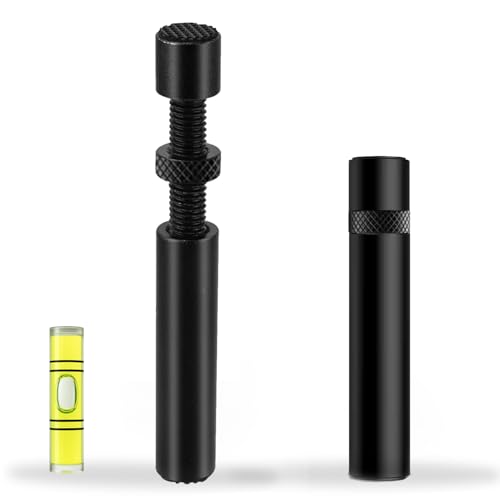 California JOS GPU Support Bracket Graphics Card
- ✅ Package Includes: 1 PCS Large Black GPU…
- ✅Prevents GPU Sag and Damage
- ✅Durable All-Aluminum Build
| Product | Key specs | |
|---|---|---|
| acer GPU Support Bracket | [Esports-grade Materials] Constructed from high-quality aluminum alloy, the… [Ajustment Freely] The detachable design features precise 0.5mm… [Powerful Magnetic Design] The top and bottom are… | Check price |
| California JOS GPU Support Bracket Graphics Card | ✅ Package Includes: 1 PCS Large Black GPU… ✅Prevents GPU Sag and Damage ✅Durable All-Aluminum Build | Check price |
 ASUS NVIDIA GeForce RTX™ 5060 LP BRK ASUS NVIDIA GeForce RTX™ 5060 LP BRK | Check price | |
 Lian Li ATX PC Case 4 Slots Lian Li ATX PC Case 4 Slots | Check price | |
 GPU Support Bracket GPU Support Bracket | ✅【Screw adjustment design】The minimum size of the GPU… ✅【Aluminum Alloy Metal】The GPU support is made of… ✅【Magnetic Non-Slip Base】The magnet hidden in the base… | Check price |
 Graphics Card GPU Brace Support Graphics Card GPU Brace Support | All-aluminum metal material - Provides strong and long-lasting… Screw adjustment design - The graphics card bracket… Bottom hidden mag.net design - The mag.net hidden… | Check price |
 upHere 5V 3PIN Addressable RGB Graphics Card upHere 5V 3PIN Addressable RGB Graphics Card | 01.Simple and Convenient adjustment method,has a slide type… 02.Use sturdy iron as the main structure to… 03.Adaptable to a wide range of motherboards and… | Check price |
 OwlTree GPU Support Bracket Graphics Card Stand OwlTree GPU Support Bracket Graphics Card Stand | The GPU Support bracket features an all-metal material… The GPU Support Bracket features 0.24 to 4.92inch… Universal compatibility - the GPU sag bracket fits… | Check price |
As an Amazon Associate we earn from qualifying purchases at no extra cost to you.
⚡ Save on Your Next PC — Amazon Prime
Prime members get fast free shipping on the systems above, plus early access to Prime Day & Black Friday PC deals. New members get a 30-day free trial.
Watch: How to Undervolt Your GPU — Video Review
Why Undervolting Works
GPUs ship with extra voltage as a safety margin so every card in a batch is stable, but most chips run fine on less. By finding the lowest voltage that holds your target clock, you reduce heat and power without losing speed. Less heat means quieter fans and, on thermally limited cards, sometimes higher sustained clocks, so performance can actually improve slightly.
Set Up Your Tools
Download MSI Afterburner and a benchmark like Unigsuperposition or a demanding game. In Afterburner, open the voltage-frequency curve editor with Ctrl+F. Note your card’s stock behavior first, run a game and watch the clock, voltage and temperature so you have a baseline to compare against once you start tuning.
Build a Stable Curve
In the curve editor, pick a target voltage, for example 900mV, and set the frequency point there to your card’s normal boost clock, then flatten everything to the right so the card won’t exceed that voltage. Apply the change. A common starting point is holding stock clocks at 875-925mV, which often cuts power noticeably. Adjust in small 15MHz or 25mV steps.
Test for Stability
Run your benchmark or game for 20-30 minutes and watch for crashes, driver resets or graphical artifacts, which mean the voltage is too low for that clock. If it crashes, add a little voltage or lower the clock slightly and retest. When you can play for an hour with no issues, the undervolt is stable and safe for daily use.
Support and Cool the Card
Undervolting reduces heat, but airflow still matters, so keep case intakes clear. Heavy modern GPUs also sag under their own weight over time, which stresses the PCIe slot. A GPU support bracket or anti-sag holder props up the far end of the card, protecting the slot and keeping the card level for the long term, a cheap complement to your thermal tuning.
Tips
- Change in small steps: Adjust voltage and clock by tiny increments so you can pinpoint the stable edge without wild crashes.
- Test with real games: Some titles stress the GPU differently than benchmarks, so validate your curve in the games you actually play.
- Save your profile: Store the stable undervolt in Afterburner and set it to apply on startup so it’s always active.
- Add a support bracket: Prevent long-term GPU sag on heavy cards to protect the PCIe slot while you’re improving thermals.
Frequently Asked Questions
Is undervolting a GPU safe?
Completely. Lowering voltage reduces stress on the card and is fully reversible in software. The worst case is a game crash, which you fix by nudging the voltage back up.
Will undervolting hurt my performance?
Usually not. Done right, you hold the same clocks at lower voltage, so performance stays flat or even improves on cards that were thermal-throttling.
How much cooler will my GPU run?
Many cards drop 10-15C and several degrees of hotspot temperature, with quieter fans and lower power draw as a bonus. Results vary by card and cooler.
What software do I use to undervolt?
MSI Afterburner is the standard free tool for both AMD and Nvidia cards, using its voltage-frequency curve editor. AMD’s own driver also has an undervolt option.
Conclusion
Undervolting is the smartest free tune for any gaming GPU: lower temperatures, quieter fans and less power for the same frames. Build a conservative curve in MSI Afterburner, test it thoroughly in real games, and save the profile. Add a support bracket to fight sag, and your card will run cooler, quieter and last longer.