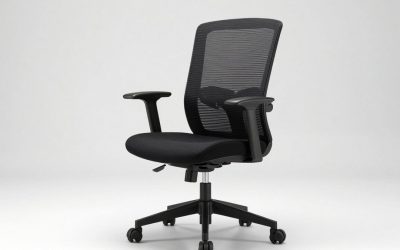
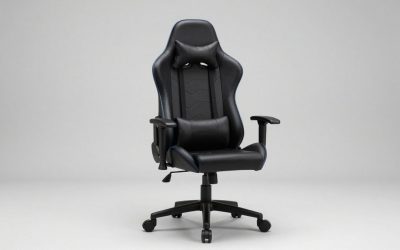
Our Top Picks
The most comfortable gaming chair is not one specific model, but the chair whose seat depth, foam density, lumbar travel, and armrest range actually match your height, weight, and desk setup.
Comfort in a gaming chair is built from measurable specs, not marketing terms like “ergonomic” or “racing-inspired.” Two chairs can look identical but feel completely different after two hours because one uses 55kg/m³ cold-cure foam with a 17-inch seat depth and the other uses 40kg/m³ cut foam with a 19-inch seat depth. Understanding those numbers is how you avoid buying a chair that forces you to perch on the edge or cuts off circulation behind your knees.

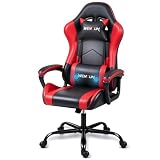
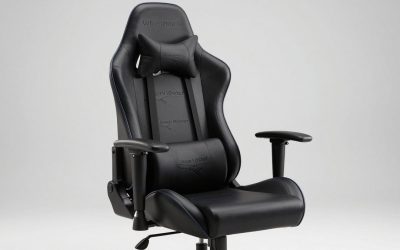
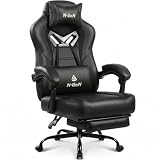
Secretlab Titan Evo XL Black Gaming Chair - Leatherette, Ergonomic | Lumbar Support, High Back, Reclining, Magnetic Head Pillow, Big & Tall (Up to 395 lbs), 4D Armrests, Height Adjustable, Basic
Chosen because it specifies Leatherette and Ergonomic.
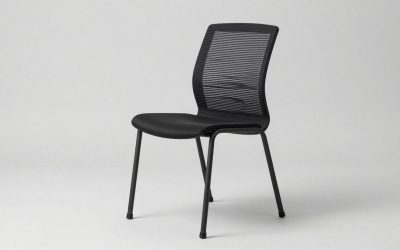
View on AmazonSecretlab Titan Evo Black Gaming Chair - Regular, Leatherette, Ergonomic | Lumbar Support, High Back, Reclining, Magnetic Head Pillow, Standard (285 lbs), 4D Armrests, Height Adjustable, Basic
Chosen because it specifies Regular and Leatherette.
View on Amazon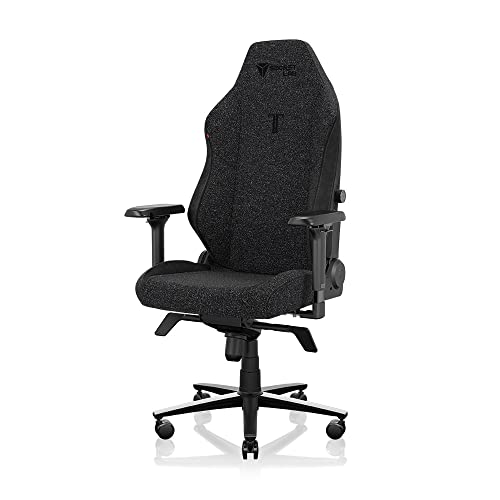
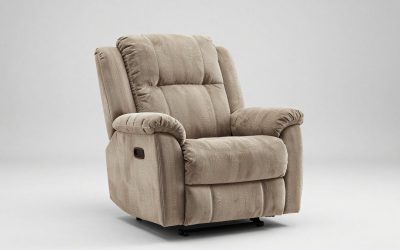
Secretlab Titan Evo Black3 Gaming Chair - Regular, Fabric, Black, Ergonomic | Lumbar Support, High Back, Reclining, Magnetic Head Pillow, Standard (285 lbs), 4D Armrests, Height Adjustable, Basic
Chosen because it specifies Regular and Fabric.
View on Amazon
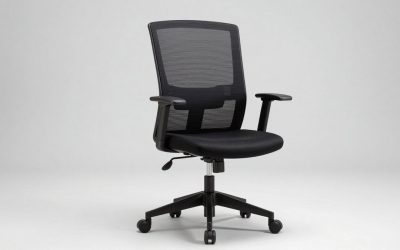
Secretlab Titan Evo Stealth Gaming Chair - Small, Leatherette, Black | Ergonomic, Lumbar Support, High Back, Reclining, Magnetic Head Pillow, Standard (285 lbs), 4D Armrests, Height Adjustable
Chosen because it specifies Small and Leatherette.
View on AmazonWhat Actually Creates Comfort: The 4 Measurable Factors
If you ignore style and focus on these four dimensions, you can predict how a chair will feel before you sit in it.
1. Seat Depth and Width
Seat depth determines whether your back can touch the backrest while your knees stay free. You should have 2 to 3 inches of clearance between the front edge of the seat and the back of your calves.
- Too deep (19+ inches): Common on large racing-style chairs. If you are under 5’9″, you will slide forward and lose lumbar support.
- Standard (17-18.5 inches): Fits most users from 5’7″ to 6’0″. This is the safe range for the majority of buyers.
- Compact (15-16.5 inches): Better for users under 5’6″ or anyone who sits cross-legged.
- Seat width: Look for 19-21 inches between the bolsters. Winged racing bolsters may look aggressive but reduce usable width by 2-3 inches and press on hips and thighs.
2. Foam Density and Type
Foam is what fails first. Low-density foam feels plush in the first month, then compresses and creates pressure points on your sit bones.
| Foam Type | Density | Initial Feel | Durability (Daily 6-8 Hour Use) | Best For |
|---|---|---|---|---|
| Cut Foam / Expanded Foam | 35-45 kg/m³ | Soft, sinks in quickly | 1-2 years before sagging | Budget chairs usually $200-$350, light use |
| Cold-Cure Molded Foam | 50-60 kg/m³ | Firm, supportive, molds to body | 4-6 years before noticeable softening | Daily gaming and work-from-home use |
| Memory Foam Top Layer + High-Density Base | 45-50 kg/m³ + 60 kg/m³ base | Plush top, firm support underneath | 3-5 years, depends on top layer thickness | Users who want softness without bottoming out |
| Mesh Suspension (No Foam) | N/A | Firm, breathable, even weight distribution | 5+ years, no foam to compress | Hot environments, users over 200 lbs who overheat |
For the most comfortable gaming chair for long sessions, cold-cure molded foam at 50kg/m³ or higher is the baseline. Brands like Secretlab, Noblechairs, and Anda Seat list this spec clearly; if a listing does not mention foam density at all, it is almost always low-density cut foam.
3. Lumbar Support Travel
A fixed lumbar pillow is not the same as an adjustable system. Real support must align with your lumbar curve, which sits roughly 6 to 10 inches above the seat pan.
- Fixed pillow or stitched bump: No height adjustment. Works only if your torso length matches the design.
- Integrated 2-way system: Adjusts in and out by 0.5-1 inch. Better, but still hits the wrong spot for very short or very tall users.
- Integrated 4-way L-ADAPT style system: Adjusts up/down by 2-3 inches and in/out by 0.75-1.25 inches. This is what you want if you have lower back pain or are between 5’4″ and 6’3″.
Depth matters more than firmness. A lumbar that pushes 1.2 inches deep will fill the gap for most people; less than 0.6 inches will feel like nothing is there.
4. Armrest Range and Backrest Recline
Armrest adjustability prevents shoulder hunching. Look for 4D armrests with these ranges: height 2.5-3.5 inches, forward/back 1.5-2 inches, side-to-side 1 inch, and rotation 15-30 degrees. If your desk is 29-30 inches high (standard), you need armrests that can rise to at least 27-28 inches from the floor to keep elbows at 90 degrees.
Recline should be 135-155 degrees for resting and should include a tension tilt or rocking mechanism with lock. A chair that only locks upright and fully reclined will force you to sit rigidly.
How Your Body Type Changes the Right Pick
There is no universal winner. Use your measurements to narrow the style:
| User Profile | Key Measurements to Check | Most Comfortable Style | What to Avoid |
|---|---|---|---|
| Under 5’7″ and under 150 lbs | Seat depth 15-17″, seat height 16-18″, weight capacity up to 250 lbs is enough | Compact or Small-size molded foam chair, or mesh chair with shallow seat pan | XL racing chairs with 19″+ depth and wide bolsters |
| 5’8″ to 6’0″, 150-220 lbs (Average Build) | Seat depth 17-18.5″, seat height 18-20″, class-4 gas lift | Regular-size ergonomic hybrid chair with 4-way lumbar | Budget chairs with low-density foam; they compress under daily use |
| Over 6’1″ or over 230 lbs | Seat depth 18.5-20″, seat width 21″+, width between armrests 20″+, weight rating 300-400 lbs | XL or Titan-size chair with steel frame and 60kg/m³ foam, or large mesh chair like Herman Miller Embody or Secretlab Titan XL | Chairs rated under 250 lbs; standard cylinders wear out in months |
| Broad Shoulders / Wider Hips | Backrest width 20″+, flat seat without aggressive wings | Flat-seat ergonomic chair (e.g., Noblechairs Hero style) | Deeply bolstered racing buckets that pinch hips and shoulders |
Fitting a Gaming Chair to Your Room and Desk
Comfort is also about fit in your space. A huge chair in a small room makes even a comfortable seat feel cramped.
- Chair footprint: Most gaming chairs have a 27-28 inch five-star base. Add 4-6 inches behind the chair for recline. In a 10×12 ft bedroom, a chair plus a 48-inch desk leaves about 32-36 inches of walkway space, which is the minimum for comfortable movement. If your room is smaller than 10×10 ft, choose a chair with a folding or flat backrest and no wide wings.
- Desk height alignment: Standard desks are 29-30 inches high, while gaming desks are often 28-29 inches. Your armrests should sit 0.5-1 inch above the desk when seated to prevent you from shrugging. If your armrests cannot reach that high, your desk is too tall for the chair.
- Doorway and assembly: Box weight is usually 45-65 lbs for regular models and 70-80 lbs for XL models. Box dimensions are typically 33-35 inches long and 26-28 inches wide, so measure your doorway (standard is 30-32 inches) and stairwell before delivery. Most chairs require 15-30 minutes of assembly with two people for lifting the backrest onto the seat.
- Floor protection: Hard casters on hardwood or vinyl will scratch. Use a chair mat or swap to rollerblade-style soft casters. Carpet casters need to be 2.5-3 inches in diameter to roll smoothly on medium pile.
Material Trade-Offs You Will Feel After 6 Months
Upholstery changes temperature, cleaning, and durability more than any spec sheet suggests.
| Material | Breathability | Cleaning | Durability Reality | Typical Price Range |
|---|---|---|---|---|
| PU Leather / Leatherette | Low, traps heat | Wipes clean easily | Peeling and cracking in 2-3 years in hot or sunny rooms | Usually $250-$500 |
| Real Leather | Moderate | Needs conditioning every 6 months | Lasts 5+ years, develops patina, highest cost | Usually $600-$1,200+ |
| SoftWeave / Fabric | High, coolest for long sessions | Absorbs spills, requires vacuuming | No peeling, but stains if not treated | Usually $300-$600 |
| Mesh | Highest airflow | Dust with vacuum, spot clean | No foam wear, mesh can sag after 4-5 years on cheaper frames | Usually $350-$900 |
| Vinyl / PVC | Very low | Very easy to wipe | Durable but hot and sticky, often on budget models | Usually $150-$300 |
Frame and base matter for long-term comfort. A steel frame with a class-4 gas lift usually supports 270-350 lbs safely and keeps the chair from wobbling. Aluminum bases are lighter and resist cracking; nylon bases are common up to $400 but flex more under heavier users.
Decision Matrix: Match Your Situation to the Right Type
Instead of searching for a single winner, match your actual living situation:
- Small apartment or 10×12 ft bedroom with a 48-inch desk: Choose a compact fabric or mesh chair with a 26-27 inch base and flat sides. It needs less clearance and will not block walkways when reclined. Avoid XL racing chairs.
- Kids and pets at home: Choose fabric or mesh. PU leather scratches from claws and peels faster with spills. Look for removable, washable armrest covers and a steel frame that tolerates jumping on.
- Renter who moves often: Choose a chair under 55 lbs with a simple two-piece assembly. Mesh or fabric is lighter to carry through narrow apartment doorways than a 75 lb XL leather chair.
- Back pain or 6+ hour work-plus-gaming days: Prioritize cold-cure foam at 55kg/m³+, 4-way lumbar with at least 2 inches of vertical travel, and a synchronous tilt that lets the seat and back move together. Mesh with adjustable lumbar is also excellent if you run hot.
- Hot room or no air conditioning: Mesh is measurably cooler. PU leather can be 5-8 degrees warmer on the surface after one hour compared to fabric or mesh.
- Over 6’2″ or over 250 lbs: Go XL-specific with a verified weight limit of 350-400 lbs, seat height up to 20.5 inches, and a wider backrest. Regular chairs will feel short and narrow regardless of padding.
What Wears Out First and How to Make Comfort Last
Gaming chairs do not fail all at once. This is the typical order of wear:
- Armrests pads: The PU coating softens and peels within 12-24 months on heavy use. Replaceable pads extend life by years.
- Gas lift: A class-3 lift may sink slowly after 18 months if you are near the weight limit. Class-4 lifts last significantly longer and are worth the extra cost.
- Foam edge: The front seat edge compresses first where thighs rest. Higher density foam and a waterfall edge design delay this.
- Casters and tilt mechanism: Squeaking or loosening after 2 years is normal. Tighten bolts every 6 months and keep the mechanism dust-free.
To keep the most comfortable gaming chair comfortable, vacuum fabric weekly, keep PU leather out of direct sunlight, and keep the recline mechanism tensioned so you are not forcing the backrest. A chair that fits your body on day one will still feel right in year three if the foam density and frame were right from the start.
Final Checklist Before You Buy
Before you click buy, confirm these five numbers on the spec sheet:
- Seat depth and seat height range in inches
- Foam density in kg/m³ and foam type
- Lumbar adjustment range in inches (height and depth)
- Armrest adjustment range and maximum armrest height from floor
- Weight capacity and base/frame material
If a retailer hides these specs, that is information in itself. The most comfortable gaming chair for you is the one that publishes these measurements and matches your height, weight, and room – not the one with the loudest design.