Key takeaways
- Choose low-latency wireless (Lightspeed or HyperSpeed) if you want cable-free play without lag.
- Pick wired if you prioritize the lowest cost and never want to manage a battery.
- Charge wireless gear on a fixed schedule to avoid dying mid-session.
- For competitive shooters, lighter weight matters more than the wired-vs-wireless choice itself.
The wired versus wireless debate has never been closer. Modern wireless gaming gear has erased the old lag penalty, yet cables still offer rock-solid reliability and zero charging, so the right answer genuinely depends on how you play. Picking wrong means either fighting cable clutter or babysitting battery levels.
This guide compares wired and wireless gaming gear across the factors that actually affect play: latency, battery and reliability, cost, freedom of movement, and long-term value. Using gaming mice as the clearest example, you will learn which technology fits your setup so you can buy with confidence instead of following hype.
Our top picks
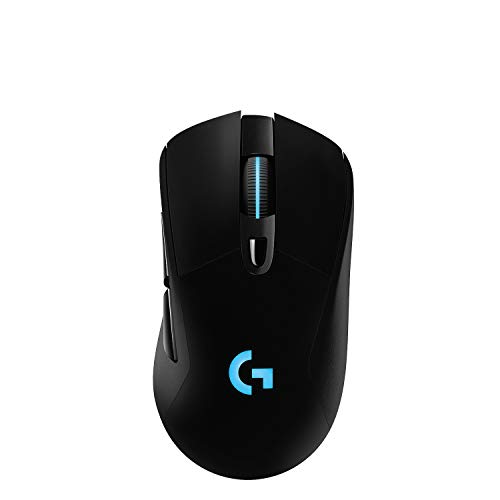
 Logitech G305 Lightspeed Wireless Gaming Mouse
- Formats: DVD-ROM
- Product Group: Personal Computer
- Binding: Personal Computers




As an Amazon Associate we earn from qualifying purchases at no extra cost to you. Ratings are shown as listed on Amazon.
⚡ Save on Your Next PC — Amazon Prime
Prime members get fast free shipping on the systems above, plus early access to Prime Day & Black Friday PC deals. New members get a 30-day free trial.
Watch: Wired vs Wireless Gaming Gear: Which Is Better? — Video Review
Latency: Is Wireless Really Slower?
For years, wired was the only serious option for competitive play. That has changed. Modern low-latency wireless like Logitech’s Lightspeed, used in the G305, G703, G502, and the flagship PRO X2 SUPERSTRIKE, and Razer’s HyperSpeed in the Basilisk V3 X and Viper V3, delivers response times indistinguishable from a cable for the vast majority of players. Unless you compete at the very highest tier, wireless latency is no longer a real disadvantage.
Battery Life and Reliability
This is where the trade-off is real. A wired mouse is always ready, drawing power straight from the port with no battery to manage. A wireless mouse like the Redragon M810 PRO offers long battery life but eventually needs charging, and a dead battery mid-match is a genuine frustration. If you hate remembering to charge devices, wired reliability has clear appeal; if you can build a charging habit, wireless is barely an inconvenience.
Cost and Value
Wired gear generally costs less for the same core performance, because it skips the wireless radio, battery, and charging circuitry. A wired mouse can deliver flagship sensors at a lower price, while premium wireless models like the PRO X2 SUPERSTRIKE command a premium for the convenience and technology. If budget is your priority and you do not mind a cable, wired stretches your money further.
Freedom of Movement and Desk Clutter
Wireless wins decisively on tidiness and flexibility. Without a cable there is no drag, no cable catching on the desk edge, and a cleaner setup overall. Lightweight wireless mice like the Razer Viper V3 HyperSpeed at 82g glide freely with nothing tethering them. For couch gaming or a minimalist desk, the absence of a cable is a daily quality-of-life upgrade that many players never want to give up.
Which Should You Choose?
Go wired if you want the lowest possible cost, never want to think about charging, and do not mind managing a cable. Go wireless if you value a clean desk, freedom of movement, and modern convenience, and you are willing to charge occasionally. For most gamers in 2026, low-latency wireless like Lightspeed or HyperSpeed offers the best overall experience, but a quality wired mouse remains an excellent, budget-friendly choice.
Tips
- Choose low-latency wireless (Lightspeed or HyperSpeed) if you want cable-free play without lag.
- Pick wired if you prioritize the lowest cost and never want to manage a battery.
- Charge wireless gear on a fixed schedule to avoid dying mid-session.
- For competitive shooters, lighter weight matters more than the wired-vs-wireless choice itself.
Frequently Asked Questions
Is wireless gaming gear laggy?
Not anymore. Modern low-latency wireless like Logitech Lightspeed and Razer HyperSpeed delivers response times that feel identical to wired for almost all players. Only elite competitors may notice a difference.
Does wired gear last longer?
Wired gear has no battery to degrade, so in that sense it can outlast wireless. However, quality wireless devices are durable too, and their batteries typically last for years before capacity noticeably drops.
Is wireless worth the extra cost?
If you value a clean desk and freedom of movement, yes. The convenience is significant. If budget is your main concern, a wired device offers the same core performance for less money.
How often do I need to charge a wireless mouse?
It varies by model, but many wireless gaming mice last from several days to weeks per charge. Building a simple charging habit, such as topping up overnight, makes battery life a non-issue.
Conclusion
Wired and wireless gaming gear both make sense in 2026, and the best choice depends on your priorities: cost and simplicity favor wired, while convenience and a clutter-free desk favor modern low-latency wireless. Weigh those trade-offs against how you play, and any of the mice above will serve you well whichever side you land on.