Key takeaways
- Start outside the case: Install the CPU, RAM, and M.2 SSD onto the motherboard first. It is far easier to work on a flat surface than inside a cramped case.
- Mount the CPU cooler: Attach the air cooler or AIO next, while you still have room to maneuver.
- Drop the motherboard in: Secure it to the case standoffs, then install the power supply.
- Install the GPU last: The graphics card goes into the top PCIe slot after the board is mounted, so it does not block access to other components.
Building your own gaming PC sounds intimidating until you actually do it, and then it feels a lot like assembling a very expensive set of building blocks. Every part fits one way, the connections are keyed so you cannot force them wrong, and the payoff is a machine you understand, can upgrade, and often got for less than a comparable prebuilt. The hardest part is not the screwdriver work; it is knowing the order of operations and not panicking the first time nothing turns on.
This guide walks a first-time builder through the whole process: choosing balanced parts, assembling them in the right sequence, cable management, and that nerve-wracking first boot. If the idea of building still feels like too much, a good prebuilt is a perfectly valid path too. Below are prebuilt systems worth considering if you would rather skip the assembly.
Our top picks


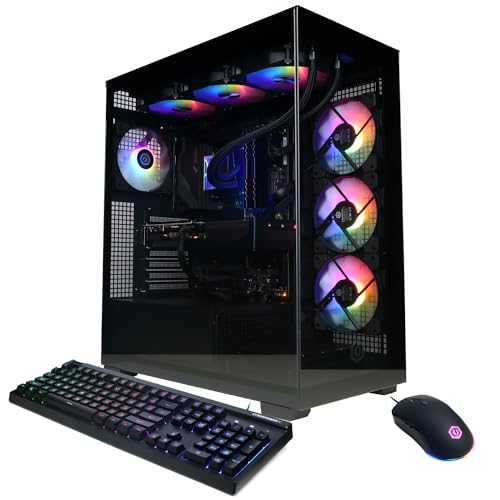


As an Amazon Associate we earn from qualifying purchases at no extra cost to you. Ratings are shown as listed on Amazon.
⚡ Save on Your Next PC — Amazon Prime
Prime members get fast free shipping on the systems above, plus early access to Prime Day & Black Friday PC deals. New members get a 30-day free trial.
Watch: How to Build a Gaming PC (2026 Beginner’s Guide) — Video Review
Plan a Balanced Parts List First
Before you buy anything, plan the whole system so no single part bottlenecks the rest. A gaming PC needs a CPU, a graphics card, a motherboard, RAM, storage, a power supply, a case, and cooling. The graphics card usually gets the largest share of the budget, paired with a CPU strong enough not to hold it back. If you would rather not source parts individually, prebuilts like the KOTIN Prebuilt Gaming PC with an RTX 5070 or the Alienware Aurora already balance these components for you. Whichever route you take, check that every part is compatible, especially the CPU socket, RAM type, and power supply wattage.
The Right Assembly Order
- Start outside the case: Install the CPU, RAM, and M.2 SSD onto the motherboard first. It is far easier to work on a flat surface than inside a cramped case.
- Mount the CPU cooler: Attach the air cooler or AIO next, while you still have room to maneuver.
- Drop the motherboard in: Secure it to the case standoffs, then install the power supply.
- Install the GPU last: The graphics card goes into the top PCIe slot after the board is mounted, so it does not block access to other components.
Cable Management Makes or Breaks the Build
Good cable management is not just about looks; it directly affects airflow and your ability to troubleshoot later. Route the bulky power cables behind the motherboard tray and use the case’s tie-down points to keep them flat. Connect the essentials methodically: the 24-pin motherboard power, the CPU power at the top, the PCIe power to the graphics card, and the small front-panel connectors for the power button and USB. Take your time with those tiny front-panel pins, they are fiddly and a common source of a PC that will not turn on. Clean routing now saves headaches every time you upgrade.
The First Boot and BIOS Setup
The first power-on is the moment every builder holds their breath. Before closing the case, connect a monitor and keyboard and hit the power button. If it posts to the BIOS screen, you are essentially done with the scary part. In the BIOS, enable the memory profile (XMP or EXPO) so your RAM runs at its rated speed, confirm the system sees your SSD and correct RAM amount, and check temperatures look sane. Only then install your operating system. If it does not boot the first time, do not panic, it is almost always a loose power cable or a reseated part, not a dead component.
Build It Yourself or Buy a Prebuilt?
Building offers the best value, full control over parts, and the knowledge to upgrade later, but it takes a few hours and a willingness to troubleshoot. A prebuilt like the CyberPowerPC Gamer Xtreme or the ZOTAC MEK trades some of that value for convenience, a warranty on the whole system, and no assembly stress. Neither choice is wrong. If you enjoy learning how things work and want maximum performance per dollar, build it. If you want to unbox it and play tonight with support behind you, a quality prebuilt is a smart, legitimate option.
Tips
- Assemble the CPU, RAM, and cooler on the motherboard outside the case first, it is far easier than working in tight quarters.
- Keep the motherboard and GPU manuals open, the front-panel pinout diagram alone saves plenty of frustration.
- Do a test boot with just the essentials connected before final cable management, so you catch problems while parts are still accessible.
- Enable your RAM’s XMP or EXPO profile in the BIOS, otherwise your memory runs slower than what you paid for.
Frequently Asked Questions
Is building a gaming PC hard for a beginner?
It is easier than most people expect. Parts only fit one way and connectors are keyed to prevent mistakes. The main challenge is knowing the order of steps and staying calm during the first boot, both of which this guide covers.
What order should I install the parts?
Install the CPU, RAM, and M.2 SSD on the motherboard first, then the cooler, then mount the board in the case and add the power supply. Install the graphics card last so it does not block access to other components.
My PC won’t turn on after building. What’s wrong?
Do not panic, it is rarely a dead part. The usual culprits are a loose power cable, incorrectly connected front-panel pins, or RAM that needs reseating. Recheck every connection carefully and try again before assuming a component failed.
Should I build a PC or buy a prebuilt?
Building gives the best value and upgrade knowledge but takes time and troubleshooting. A prebuilt like the KOTIN or Alienware systems offers convenience and a full-system warranty. Both are valid, choose based on how much you enjoy the process.
Conclusion
Building a gaming PC is one of the most rewarding projects in the hobby, and it is far more approachable than it looks. Plan a balanced parts list, assemble in the right order, manage your cables carefully, and take the first boot one step at a time. If assembly is not for you, a quality prebuilt gets you gaming with a warranty and zero stress. Either way, understanding how the machine goes together makes you a smarter buyer and a more confident upgrader for years to come.