Key takeaways
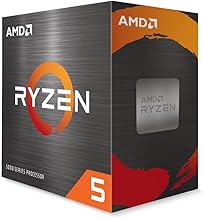
- Core count: 6 cores (like the Ryzen 5 9600X or budget Ryzen 5 5500) is fine for pure gaming; 8 cores add headroom for streaming and multitasking.
- Clock speed and cache: higher single-core speed and larger cache matter more for games than raw core count.
- Platform: AMD’s AM5 and Intel’s latest sockets offer upgrade paths; the Intel Core Ultra 7 270K and i7-14700K are strong all-round alternatives.
The CPU is the brain of your gaming PC, coordinating everything from physics and AI to feeding your graphics card the data it needs. Pick the right one and your system stays smooth and responsive for years; pick poorly and you can bottleneck an expensive GPU or overpay for cores that gaming never uses. Understanding what actually matters for gaming makes this decision far simpler than the spec sheets suggest.
This guide cuts through the marketing to explain what genuinely affects gaming performance, from cache and clock speed to core counts and platform choice. By the end you will know how to match a CPU to your GPU and budget, and why certain chips have become the go-to choices for gamers in 2026.
Our top picks
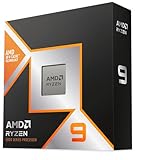
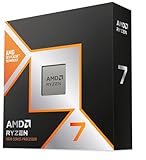
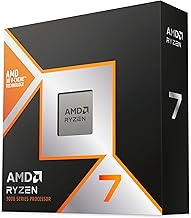
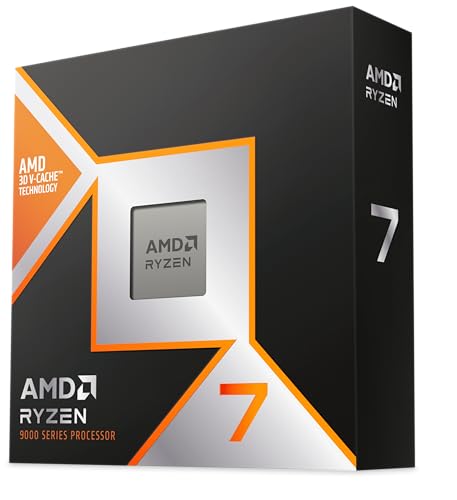 AMD RYZEN 7 9800X3D 8-Core
- Product Group: Personal Computer
- Binding: Personal Computers


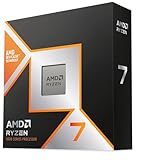
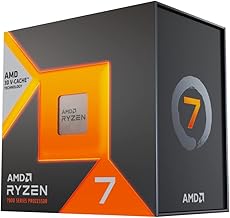
 AMD Ryzen 7 7800X3D 8-Core
- Product Group: Personal Computer
- Binding: Personal Computers


As an Amazon Associate we earn from qualifying purchases at no extra cost to you. Ratings are shown as listed on Amazon.
⚡ Save on Your Next PC — Amazon Prime
Prime members get fast free shipping on the systems above, plus early access to Prime Day & Black Friday PC deals. New members get a 30-day free trial.
Watch: How to Choose a Gaming CPU (2026 Guide) — Video Review
What Actually Matters for Gaming
Games care more about fast cores and low latency than about sheer core count. Beyond about 6 to 8 fast cores, most titles see diminishing returns, which is why a well-tuned 8-core chip often games as well as or better than a 16-core workstation part. This is exactly why the AMD Ryzen 7 9800X3D, with its large stacked cache, is so highly regarded for gaming despite having a modest core count on paper.
The Magic of 3D V-Cache
AMD’s X3D chips stack extra cache directly on the CPU, and that large cache is a game-changer for frame rates because games love fast access to data. The Ryzen 7 9800X3D and the previous-generation Ryzen 7 7800X3D consistently top gaming benchmarks because that cache keeps the cores fed. If pure gaming performance is your priority, an X3D chip is often the single best choice you can make.
Cores, Clocks, and Platform
- Core count: 6 cores (like the Ryzen 5 9600X or budget Ryzen 5 5500) is fine for pure gaming; 8 cores add headroom for streaming and multitasking.
- Clock speed and cache: higher single-core speed and larger cache matter more for games than raw core count.
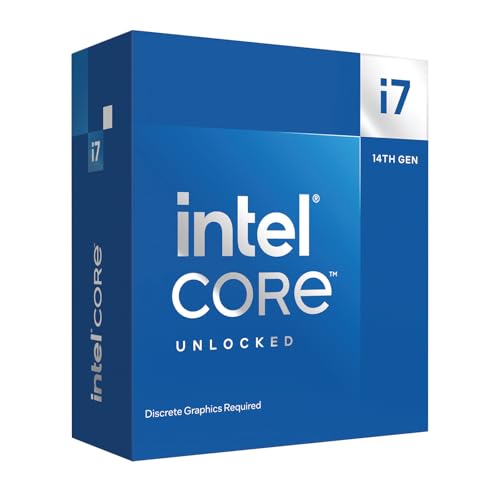
- Platform: AMD’s AM5 and Intel’s latest sockets offer upgrade paths; the Intel Core Ultra 7 270K and i7-14700K are strong all-round alternatives.
Match the CPU to Your GPU
The goal is balance. Pairing a powerful GPU with a weak CPU creates a bottleneck where the processor cannot feed frames fast enough, wasting your graphics card’s potential. Conversely, a top-end gaming chip like the Ryzen 9 9950X3D paired with a modest GPU is overkill for pure gaming. As a rule, spend proportionally: a mid GPU pairs well with a Ryzen 5 or Core i5 class chip, while a high-end GPU deserves a Ryzen 7 X3D or Core i7/Ultra 7.
Don’t Forget Cooling and Motherboard
A capable CPU needs adequate cooling and a compatible motherboard to perform. Higher-end chips like the Ryzen 9 9950X3D or Intel i7-14700K run warm under load and benefit from a strong air cooler or an AIO, while budget chips such as the Ryzen 5 5500 include a basic cooler in the box. Always confirm socket and chipset compatibility, and budget for a cooler and a board with solid power delivery so your CPU can hit and hold its rated clocks.
Tips
- For pure gaming, prioritize an X3D chip like the Ryzen 7 9800X3D over higher core counts.
- Match the CPU tier to your GPU so neither one bottlenecks the other.
- Budget builders get excellent value from 6-core chips like the Ryzen 5 9600X or Ryzen 5 5500.
- Confirm socket, chipset, and cooling compatibility before buying to avoid surprises at build time.
Frequently Asked Questions
How many CPU cores do I need for gaming?
Six fast cores are enough for pure gaming in most titles, and eight cores add useful headroom if you stream or multitask. Beyond eight, extra cores rarely improve gaming, so a fast 6 or 8-core chip is the sweet spot for most players.
Why are X3D chips better for gaming?
AMD’s X3D processors add a large stacked cache that keeps the cores supplied with data, which many games benefit from heavily. Chips like the Ryzen 7 9800X3D and 7800X3D consistently lead gaming benchmarks because of this cache, often beating parts with more cores or higher clocks.
Should I get AMD or Intel for gaming?
Both are excellent in 2026. AMD’s X3D chips currently hold the gaming performance crown, while Intel parts like the Core Ultra 7 270K and i7-14700K offer strong all-round performance for gaming plus productivity. Choose based on your budget, platform preference, and whether pure gaming or mixed workloads matter more.
Will a better CPU increase my frame rate?
It can, particularly if your current CPU is bottlenecking a strong GPU or you play CPU-heavy games like strategy titles and simulators. If your GPU is the limiting factor, though, a faster CPU yields smaller gains, so always look at which component is holding you back first.
Conclusion
Choosing a gaming CPU comes down to fast cores, generous cache, and balance with your GPU rather than chasing the highest core count. For pure gaming in 2026, an AMD X3D chip like the Ryzen 7 9800X3D is hard to beat, while capable 6-core parts and strong Intel alternatives cover every budget. Match the CPU to your GPU, plan for cooling, and your PC will stay smooth and responsive for years.