Key takeaways
- Better airflow: Mesh allows air to circulate through the back and seat. This is especially helpful in warm rooms, during long gaming sessions, or for people who dislike the heat buildup of faux leather.
- More even support: A properly tensioned seat distributes weight across a wider area instead of concentrating it in one soft cushion. That can reduce pressure on the tailbone and upper thighs.
- Easy posture changes: Flexible mesh follows small movements. You can shift from upright typing to a slight recline without fighting a thick cushion or sinking deeply into foam.
- Adjustable lumbar support: The better models let you raise or lower the lumbar pad, change its depth, or adjust its firmness. This is more useful than a large, fixed pillow because lumbar support should sit in the small of your back, not at your waist.
- Useful recline: A backrest that reclines to about 120 to 135 degrees can reduce the static load of sitting upright. Reclining is particularly comfortable for reading, watching videos, or using a controller, provided your head and screen position remain reasonable.
- Less maintenance than faux leather: Mesh does not peel in the same way bonded leather can. Routine care is usually limited to vacuuming dust and wiping the frame.
- Potentially lighter appearance: The open-back design can make a large chair look less bulky in a home office, even when it has a tall backrest and a wide base.
What's inside
The Short Answer
Yes, a full mesh gaming chair can support better posture—but only if its lumbar support, seat depth, and adjustment range fit your body. Mesh itself does not correct posture. It improves airflow and can reduce pressure, while the chair’s frame and adjustments determine whether your pelvis, spine, shoulders, and feet stay in a healthy position.
For most people who sit at a desk for four or more hours a day, a well-adjusted full mesh chair is a sensible choice. However, a cheap chair with a sagging seat, fixed lumbar pad, or overly aggressive recline can be worse for posture than a basic padded office chair.
As an Amazon Associate we earn from qualifying purchases at no extra cost to you. Product prices and availability are accurate as of the date shown and are subject to change.


What You Actually Get
A full mesh gaming chair generally has a mesh seat, mesh backrest, adjustable lumbar support, a reclining mechanism, armrests, a headrest, and a five-star rolling base. Unlike a traditional racing-style gaming chair, it usually does not rely on thick foam cushions or synthetic leather. The result feels more like an ergonomic office chair with a taller back and more recline.
The useful adjustment range matters more than the “gaming” label. Look for seat height of roughly 17 to 21 inches, enough to let your feet rest flat; seat depth around 18 to 20 inches; lumbar height or tension adjustment; and armrests that can move up and down. A recline range of approximately 90 to 135 degrees is common. The best working posture is usually upright or slightly reclined, not rigidly vertical all day.
Weight ratings are another practical consideration. Many chairs in this category advertise capacities from 250 to 300 pounds, but a higher rating does not automatically mean better comfort or durability. Base construction, cylinder quality, mesh tension, and the way the chair is assembled are equally important.
Full mesh also changes the sitting experience. It feels cooler than foam and fabric, responds immediately when you shift position, and does not trap heat against your thighs. The trade-off is that mesh has less cushioning and can expose flaws in the seat frame. If the edge is hard or the fabric is stretched too tightly, you may notice pressure under your thighs after a long session.
Pros
- Better airflow: Mesh allows air to circulate through the back and seat. This is especially helpful in warm rooms, during long gaming sessions, or for people who dislike the heat buildup of faux leather.
- More even support: A properly tensioned seat distributes weight across a wider area instead of concentrating it in one soft cushion. That can reduce pressure on the tailbone and upper thighs.
- Easy posture changes: Flexible mesh follows small movements. You can shift from upright typing to a slight recline without fighting a thick cushion or sinking deeply into foam.
- Adjustable lumbar support: The better models let you raise or lower the lumbar pad, change its depth, or adjust its firmness. This is more useful than a large, fixed pillow because lumbar support should sit in the small of your back, not at your waist.
- Useful recline: A backrest that reclines to about 120 to 135 degrees can reduce the static load of sitting upright. Reclining is particularly comfortable for reading, watching videos, or using a controller, provided your head and screen position remain reasonable.
- Less maintenance than faux leather: Mesh does not peel in the same way bonded leather can. Routine care is usually limited to vacuuming dust and wiping the frame.
- Potentially lighter appearance: The open-back design can make a large chair look less bulky in a home office, even when it has a tall backrest and a wide base.
Cons
- Mesh is not automatically supportive: Low-tension mesh may sag, while very tight mesh can feel harsh. Neither problem is solved by a headrest or a racing-style shape.
- Limited cushioning: People who prefer a plush, sofa-like seat may find full mesh too firm. A narrow seat frame can also create pressure along the underside of the thighs.
- Lumbar mechanisms vary widely: Some “adjustable” supports only move a small amount. Others press forward so aggressively that they force the pelvis into an uncomfortable position. Lumbar support should fill the gap behind your lower back, not push you away from the backrest.
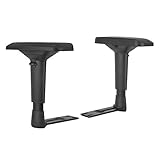
- Armrests may wobble: Three-dimensional armrests are useful when they move vertically and inward or outward, but budget versions can develop play. Armrests that are too high encourage shrugged shoulders; armrests that are too low leave the shoulders unsupported.
- Headrests can encourage poor positioning: A headrest is mainly for reclining. If it pushes your head forward while you work, it may contribute to neck strain rather than solve it.
- Harder to judge online: Two chairs with similar photos can have very different seat pans, mesh tension, and lumbar geometry. Product dimensions do not tell the whole comfort story.
- Mesh can wear or collect debris: Pet hair, crumbs, and dust can settle into the weave. A torn seat is also more difficult to repair than a removable cushion.
Who Should Buy It
Buy a full mesh gaming chair if you work or play at a desk for several hours daily, run warm, and prefer a responsive rather than plush seat. It is also a good fit if you frequently alternate between keyboard work, gaming, and reclining. Taller users should prioritize a backrest tall enough to support the shoulders and a seat depth that does not press behind the knees. Larger users should verify both the published weight capacity and the actual seat width, which is often about 19 to 21 inches even when the overall chair is much wider.
It is worth spending more for meaningful adjustments. For example, the GABRYLLY chair listed at $209.49 includes a footrest, 135-degree recline, adjustable lumbar support, 3D armrests, a headrest, and a heavy-duty base rated at 300 pounds. Those features may be useful if you recline often or need more support, but they still need to fit your body.
Who Should Skip It
Skip a full mesh chair if you strongly prefer a soft, cushioned seat, have pronounced sensitivity at the sit bones, or cannot test the chair’s seat depth and lumbar position. It may also be a poor choice if you tend to perch on the front edge of the seat, since mesh chairs provide their best support when your back is against the backrest.
People with persistent back, hip, or neck pain should not treat a chair as medical equipment. A chair can make a good workstation easier to maintain, but ongoing symptoms deserve advice from a qualified clinician. Also skip models with no seat-height adjustment, no lumbar adjustment, or a base that feels unstable when you recline.
Cheaper Alternatives
| Option | Cost | Trade-off |
|---|---|---|
| Budget full mesh office chair | $70–$110 | Usually provides airflow and basic height adjustment, but lumbar support may be fixed and the seat may have less tension control. |
| GTPLAYER high-back mesh office chair | $95.49 | Offers mesh construction, adjustable lumbar support, 3D armrests, a headrest, and a high back at a relatively low price; expect fewer premium materials and potentially less refined adjustment hardware than a chair near $200. |
| Used commercial ergonomic chair | $100–$250 | A used office chair from a reputable brand can offer better ergonomics, but its mesh, gas cylinder, casters, and adjustment mechanisms may show wear. |
| Fabric office chair with foam seat | $80–$160 | Usually softer and more forgiving under the thighs, but warmer than full mesh and more likely to develop a permanent seat impression. |
Price should not be the only deciding factor. A $95 chair with a seat that fits can be more comfortable than a $210 chair with the wrong seat depth. Conversely, paying more can make sense when you will use the chair daily and need a sturdier base, better recline control, or more adjustment range.
FAQ
Is a full mesh gaming chair better for posture than a padded gaming chair?
Not automatically. Full mesh can make it easier to stay comfortable and change position, but posture depends on fit and adjustment. A padded chair with correct seat depth and lumbar support can outperform a mesh chair that leaves your feet dangling or pushes your lower back too far forward.
How should I adjust a full mesh chair for good posture?
Set the seat height so your feet rest flat and your knees are close to a 90-degree angle. Sit fully back, then position the lumbar support in the curve of your lower back. Keep the armrests high enough to support relaxed elbows without lifting your shoulders. Place the top of the monitor near eye level and keep it about 20 to 30 inches away. Recline slightly when possible instead of holding a rigid 90-degree posture.
Is a footrest useful on a mesh gaming chair?
It can be useful for reclining, reading, or short breaks, but it should not replace proper seat height. If the footrest causes your knees to rise sharply or encourages you to slide forward, it may reduce your support. A separate footrest can cost about $20 to $60 and may be more stable than a small built-in extension.
How long does full mesh typically last?
There is no universal lifespan because use, body weight, sunlight, cleaning, and mesh quality vary. A chair used eight hours daily will experience much more stress than one used occasionally. Before buying, inspect the warranty, weight rating, replacement-part availability, and reviews that mention sagging, peeling edges, cylinder failure, or loose armrests. Those details are often more informative than the chair’s marketing claims.