Key takeaways
- Panel type: QD-OLED tends to render more saturated color and slightly better brightness, while WOLED often offers stronger anti-glare coatings for bright rooms.
- Resolution and size: 27-inch 1440p hits the best balance of sharpness and framerate; step up to 4K only if your GPU can drive it or you want desktop real estate.
- Refresh rate: 240Hz is the current gaming standard, but casual users are well served by 165–180Hz panels that cost noticeably less.
- Burn-in protection: Look for pixel shift, logo dimming, and panel-refresh cycles plus a solid multi-year burn-in warranty for peace of mind.
- Connectivity: DisplayPort 2.1 or HDMI 2.1 ensures you can hit high refresh at full resolution, and USB-C is a bonus for single-cable laptop setups.
OLED panels have finally hit the sweet spot in 2026: per-pixel lighting delivers true blacks, near-instant response times, and color that LCD screens simply cannot match. Whether you game competitively, edit photos, or just want the most immersive desktop experience possible, an OLED display transforms everything on screen.
The hard part is narrowing down the field. QD-OLED and WOLED panels now ship in every size from compact 27-inch 1440p sprinters to expansive 4K dual-mode giants, each with different refresh rates, brightness, and burn-in protections. Below we break down what actually matters and review the standout OLED monitors worth buying this year.
Our top picks


As an Amazon Associate we earn from qualifying purchases at no extra cost to you. Ratings are shown as listed on Amazon.
⚡ Save on Your Next PC — Amazon Prime
Prime members get fast free shipping on the systems above, plus early access to Prime Day & Black Friday PC deals. New members get a 30-day free trial.
Watch: Best OLED Monitor 2026 — Video Review
How to Choose an OLED Monitor
- Panel type: QD-OLED tends to render more saturated color and slightly better brightness, while WOLED often offers stronger anti-glare coatings for bright rooms.
- Resolution and size: 27-inch 1440p hits the best balance of sharpness and framerate; step up to 4K only if your GPU can drive it or you want desktop real estate.
- Refresh rate: 240Hz is the current gaming standard, but casual users are well served by 165–180Hz panels that cost noticeably less.
- Burn-in protection: Look for pixel shift, logo dimming, and panel-refresh cycles plus a solid multi-year burn-in warranty for peace of mind.
- Connectivity: DisplayPort 2.1 or HDMI 2.1 ensures you can hit high refresh at full resolution, and USB-C is a bonus for single-cable laptop setups.
The Best OLED Monitors Reviewed
Acer Predator X27U W1
A 26.5-inch QHD QD-OLED running at 240Hz with a rated 0.03ms response, the Predator X27U W1 is built for competitive play. Vivid color and AMD FreeSync support make it a well-rounded pick for fast-paced shooters and single-player showcases alike.
LG UltraGear 27GX704A
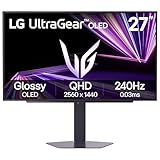
LG’s 27-inch UltraGear OLED pairs 240Hz and 0.03ms with NVIDIA G-SYNC compatibility and LG’s proven WOLED anti-glare coating, so reflections stay tame even in a sunlit room without sacrificing inky blacks.
Samsung Odyssey OLED G6
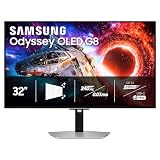
The G6 (G61SH) brings Samsung’s QD-OLED QHD panel to 240Hz with excellent HDR punch. Its ultra-slim chassis and CoreSync lighting make it as much a centerpiece as a performance display.
ASUS ROG XG27AQDMGR
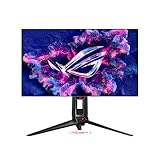
This 27-inch 1440p 240Hz glossy OLED leans on ASUS OLED Care features to guard against burn-in, and the glossy finish delivers the kind of contrast and clarity that make HDR content look genuinely three-dimensional.
LG UltraGear 32GX850A
If you want size and flexibility, this 32-inch 4K glossy OLED offers a dual-mode trick, switching to a lower resolution at higher refresh for esports. It is the do-everything OLED for people who game and create in equal measure.
Frequently Asked Questions
Do OLED monitors still suffer from burn-in?
Modern OLED monitors include pixel shifting, logo dimming, and automatic panel-refresh routines that make burn-in unlikely under normal mixed use. Vary your content and hide static taskbars for extra insurance, and rely on the multi-year burn-in warranties most 2026 models ship with.
Is QD-OLED better than WOLED?
QD-OLED generally produces more saturated colors and marginally higher brightness, while WOLED often has a more effective matte coating for bright rooms. Both look stunning; your lighting conditions and color preference should decide.
What refresh rate do I actually need?
For competitive gaming, 240Hz is the sweet spot in 2026. If you play story-driven titles or mix in productivity work, a 165–180Hz OLED delivers a gorgeous experience at a lower price.
Can OLED monitors get bright enough for HDR?
Yes. Today’s QD-OLED and WOLED panels hit strong peak-brightness highlights in HDR, and their perfect blacks give HDR content far more visible contrast than a typical LCD, even one with a higher nit rating.
Final Thoughts
OLED is the clear choice in 2026 for anyone who values contrast, motion clarity, and color accuracy. For most people the 27-inch 1440p 240Hz panels hit the ideal balance of speed and price, while the 32-inch 4K dual-mode options reward those who want one screen for gaming and creative work. Match the size and refresh rate to your GPU and desk, and any monitor on this list will be a dramatic upgrade.