Key takeaways
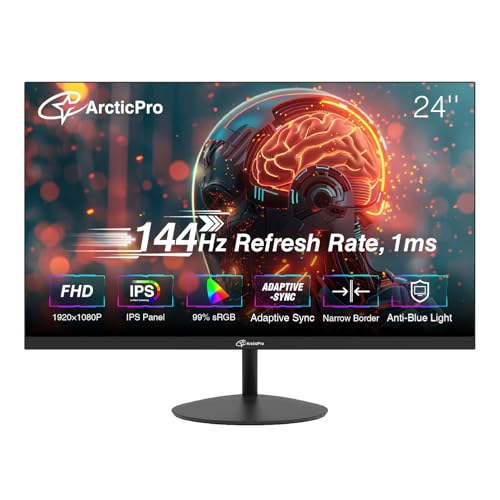
- 144Hz is the ideal default for most gamers, offering a huge upgrade over 60Hz. Panels like the Sceptre 22-inch 144Hz or ArcticPro 24-inch 144Hz cover this tier affordably.
- 165Hz (for example the Sceptre IPS 24-inch 165Hz) adds a small extra edge for competitive play.
- 240Hz and above mainly benefits serious esports players with the GPU power to feed those frames.
Refresh rate is one of those specs people see on every monitor box but few fully understand. It is measured in hertz (Hz) and quietly shapes how smooth and responsive every game feels, from fast shooters to slower story-driven titles. Once you have experienced a high-refresh display, going back to a standard 60Hz screen feels like gaming through molasses.
This guide explains what refresh rate actually is, how it differs from frame rate, and why 144Hz has become the baseline for gaming monitors in 2026. You will learn how to match refresh rate to your GPU, why sync technologies matter, and how to pick a panel that feels as good as it looks.
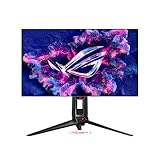
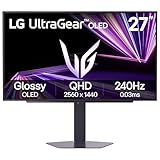
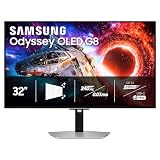
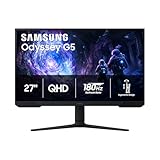
Our top picks





As an Amazon Associate we earn from qualifying purchases at no extra cost to you. Ratings are shown as listed on Amazon.
⚡ Save on Your Next PC — Amazon Prime
Prime members get fast free shipping on the systems above, plus early access to Prime Day & Black Friday PC deals. New members get a 30-day free trial.
Watch: What Is Refresh Rate? Gaming Monitors Explained — Video Review
Refresh Rate vs Frame Rate
These two terms get mixed up constantly. Frame rate (FPS) is how many frames your GPU produces per second; refresh rate (Hz) is how many times per second the monitor redraws the screen. A 144Hz panel can display up to 144 frames per second, but only if your GPU is actually rendering that many. The two work as a team: a fast monitor with a weak GPU wastes potential, and vice versa.
Why Higher Refresh Feels Better
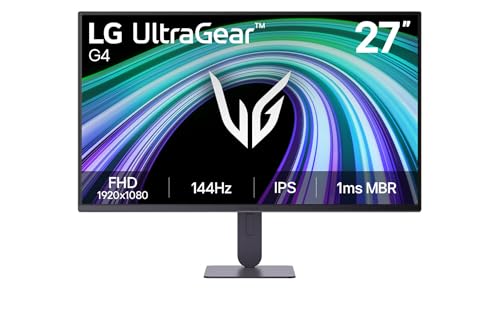
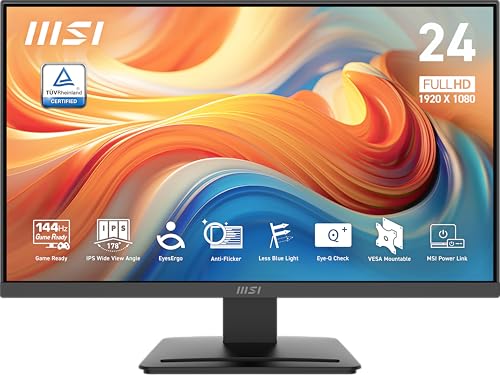
A higher refresh rate produces smoother motion and lower perceived input lag, because new frames arrive on screen more often. The jump from 60Hz to 144Hz is dramatic and immediately noticeable, especially in fast-paced games. Affordable 144Hz panels like the ASUS TUF Gaming VG249QE5A, LG 24G411A Ultragear, and MSI PRO MP243L make this smoothness accessible without a premium price, which is why 144Hz is now the sensible starting point.
How Much Refresh Rate Do You Need?
- 144Hz is the ideal default for most gamers, offering a huge upgrade over 60Hz. Panels like the Sceptre 22-inch 144Hz or ArcticPro 24-inch 144Hz cover this tier affordably.
- 165Hz (for example the Sceptre IPS 24-inch 165Hz) adds a small extra edge for competitive play.
- 240Hz and above mainly benefits serious esports players with the GPU power to feed those frames.
Sync Technology Stops Screen Tearing
When your frame rate and refresh rate fall out of step, you get screen tearing, where the image looks split. Adaptive sync technologies, marketed as AMD FreeSync and NVIDIA G-Sync Compatible, solve this by matching the monitor’s refresh to the GPU’s output in real time. Most modern gaming monitors, including the LG 27G414B Ultragear, support these standards, so look for FreeSync or G-Sync Compatible on the spec sheet and enable it in your driver settings.
Panel Type and Response Time Matter Too
Refresh rate works best alongside a fast pixel response time and a good panel type. IPS panels, common on 144Hz gaming monitors like the ArcticPro IPS models, deliver good colors and viewing angles with response times fast enough for smooth motion. A high refresh rate on a slow panel can still show motion blur, so check that the monitor pairs its Hz with a low gray-to-gray response time (ideally 1ms) for the crispest possible motion.
Tips
- Make sure Windows and your GPU control panel are set to the monitor’s full refresh rate; they often default to 60Hz.
- Enable FreeSync or G-Sync Compatible mode to eliminate screen tearing.
- Pair a high-refresh monitor with a GPU capable of pushing enough frames to use it.
- Use a DisplayPort cable for the highest refresh rates, as some HDMI versions cap out lower.
Frequently Asked Questions
Is 144Hz enough for gaming?
For the vast majority of players, yes. 144Hz delivers a massive improvement over 60Hz in smoothness and responsiveness, and it is the current sweet spot for price and performance. Only dedicated competitive players tend to benefit meaningfully from 240Hz and beyond.
Do I need a strong GPU to use a high-refresh monitor?
To fully use it, yes. The monitor can only show as many frames as your GPU produces. You will still see benefits from adaptive sync at lower frame rates, but to hit 144 FPS you need a graphics card capable of rendering that many frames in your games.
What is the difference between Hz and FPS?
Hz is how often the monitor refreshes the image; FPS is how many frames your GPU renders each second. A 144Hz monitor can display up to 144 FPS, but the actual smoothness depends on your GPU keeping up with that number.
Does a high refresh rate reduce input lag?
It reduces perceived latency because frames reach your eyes more frequently, making your inputs feel more immediate. It is not the only factor in input lag, but a higher refresh rate is one of the most effective ways to make a game feel more responsive.
Conclusion
Refresh rate is the spec that makes games feel fluid and responsive, and in 2026 a 144Hz panel with FreeSync or G-Sync Compatible support is the smart baseline for any gamer. Match it to a capable GPU, enable adaptive sync, and set your system to the panel’s full refresh rate, and you will wonder how you ever tolerated 60Hz.