Key takeaways
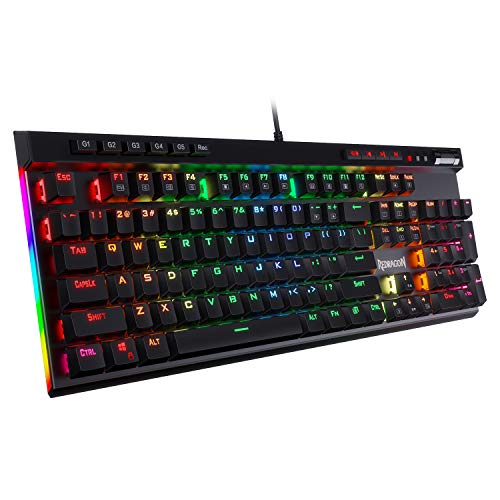
- Linear: smooth from top to bottom with no bump, fast and quiet. Red switches like those on the Redragon wired keyboard are the classic gaming choice.
- Tactile: a noticeable bump at the actuation point that tells your finger the key registered, great for typists.
- Clicky: a tactile bump plus an audible click, satisfying but loud, similar in feel to the Razer BlackWidow V4 X yellow-adjacent family though those lean linear.
The switch under each key is the heart of a mechanical keyboard, and it defines how typing and gaming feel more than any other part. Linear, tactile, or clicky, light or heavy, loud or quiet, the right switch can transform your experience while the wrong one leaves you fighting your own board.
This guide explains how mechanical switches work, breaks down the main switch types, and helps you decide which suits your gaming and typing style. You will also learn what hot-swappable boards offer and how switch weight and sound shape day-to-day use, so you can choose with real understanding instead of guesswork.
Our top picks




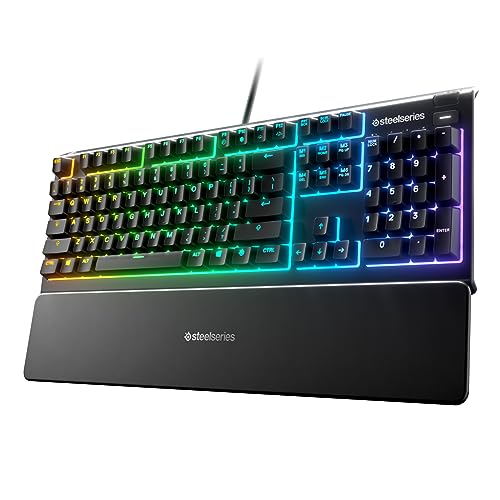
As an Amazon Associate we earn from qualifying purchases at no extra cost to you. Ratings are shown as listed on Amazon.
⚡ Save on Your Next PC — Amazon Prime
Prime members get fast free shipping on the systems above, plus early access to Prime Day & Black Friday PC deals. New members get a 30-day free trial.
Watch: Mechanical Keyboard Switches Explained — Video Review
How a Mechanical Switch Works
Unlike a membrane keyboard that presses a rubber dome, a mechanical switch uses a spring and moving stem to register each keypress at a precise actuation point. This gives a crisp, consistent feel and long lifespan, often rated for tens of millions of presses. Understanding the stem, spring, and actuation distance is the foundation for picking the switch that matches how hard and how fast you type.
The Three Main Switch Types
- Linear: smooth from top to bottom with no bump, fast and quiet. Red switches like those on the Redragon wired keyboard are the classic gaming choice.
- Tactile: a noticeable bump at the actuation point that tells your finger the key registered, great for typists.
- Clicky: a tactile bump plus an audible click, satisfying but loud, similar in feel to the Razer BlackWidow V4 X yellow-adjacent family though those lean linear.
Switch Weight and Actuation Force
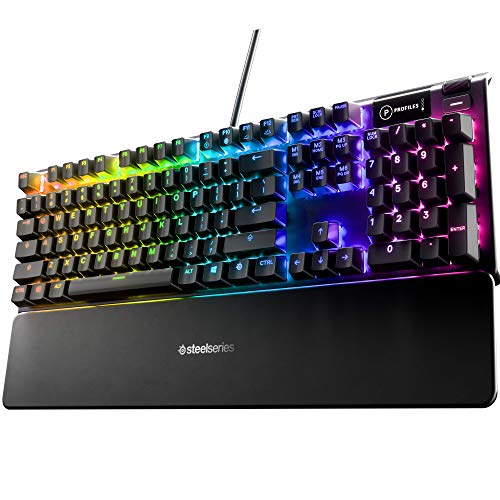
Switches are rated by the force needed to actuate them, measured in grams. Lighter switches around 45g actuate with a feather touch, ideal for fast-paced games where rapid taps matter. Heavier switches resist accidental presses and suit deliberate typists. Boards like the AULA F75 Pro ship with pre-lubed switches that smooth out the travel, while the SteelSeries Apex 5 uses a hybrid design blending mechanical feel with quieter operation.
Sound Profile and Your Environment
How loud your keyboard is matters if you share a space, stream, or take calls. Clicky switches are the loudest and can annoy others, while quiet linear or specially dampened switches keep the noise down. The SteelSeries Apex 3 with whisper-quiet switches is built for shared rooms, whereas an enthusiast board with clicky switches makes a statement. Match the sound to your surroundings before comfort turns into a complaint.
Hot-Swappable Boards and Trying Switches
Hot-swappable keyboards let you pull switches out and drop new ones in without soldering, which is the best way to experiment. Boards like the Redragon hot-swappable model and the AULA F75 Pro let you swap between linear, tactile, and clicky feels as your taste evolves. A switch tester or a hot-swap board saves you from committing to one type before you know what you truly prefer.
Tips
- Choose linear switches for fast gaming and tactile for typing-heavy work.
- If noise is a concern, avoid clicky switches and look for quiet or dampened options.
- Start around 45g to 55g actuation if you are unsure; it suits most people.
- Pick a hot-swappable board so you can change switches later without soldering.
Frequently Asked Questions
Which switch is best for gaming?
Linear switches, such as reds, are the popular gaming choice because they are smooth and fast with no bump to slow rapid presses. That said, plenty of gamers enjoy tactile switches too, so preference matters.
Are clicky switches too loud for an office?
Generally yes. Clicky switches produce an audible click that carries in shared spaces. For an office, a quiet linear or a dampened switch like those on whisper-quiet boards is a far more considerate choice.
What does hot-swappable mean?
A hot-swappable board lets you remove and install switches by hand, with no soldering. It is ideal for experimenting with different switch types or replacing a failed switch quickly.
Does switch weight really matter?
Yes. Lighter switches actuate faster and reduce finger fatigue, while heavier switches resist accidental presses. The right weight depends on your typing force and whether you prioritize speed or deliberate control.
Conclusion
Mechanical switches come down to feel, weight, and sound: linear for speed, tactile for feedback, clicky for satisfaction, tuned to how hard you type and how quiet you need to be. Start with a hot-swappable board like the ones above and you can refine your choice over time until every keypress feels exactly right.