Key takeaways
- A keycap puller (many boards like the Redragon models include one) to lift caps without bending them.
- Compressed air or a small blower to clear loose debris from between switches.
- Isopropyl alcohol (90 percent or higher) and lint-free cloths or cotton swabs.
- A small brush and a bowl of warm soapy water for washing keycaps.
A mechanical keyboard collects an astonishing amount of dust, crumbs, and skin oil, and over time that grime causes mushy keys, sticky switches, and even failures. Regular cleaning keeps your board feeling crisp, extends its life, and honestly makes your whole desk more pleasant to use.
This guide walks you through cleaning a mechanical keyboard safely, from a quick surface tidy to a deep clean with the keycaps removed. You will learn what tools to use, how to avoid damaging switches or electronics, and how often to repeat the process so your board stays in top shape for years.
Our top picks




As an Amazon Associate we earn from qualifying purchases at no extra cost to you. Ratings are shown as listed on Amazon.
⚡ Save on Your Next PC — Amazon Prime
Prime members get fast free shipping on the systems above, plus early access to Prime Day & Black Friday PC deals. New members get a 30-day free trial.
Watch: How to Clean a Mechanical Keyboard — Video Review
Gather the Right Tools First
- A keycap puller (many boards like the Redragon models include one) to lift caps without bending them.
- Compressed air or a small blower to clear loose debris from between switches.
- Isopropyl alcohol (90 percent or higher) and lint-free cloths or cotton swabs.
- A small brush and a bowl of warm soapy water for washing keycaps.
Do a Quick Surface Clean Weekly
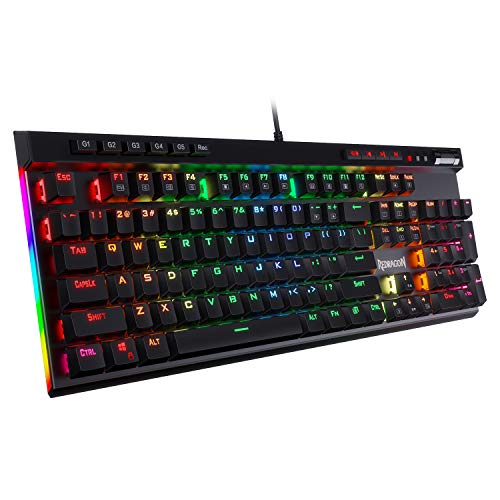
For routine upkeep, unplug the keyboard, turn it upside down, and gently shake or blow out loose crumbs. Run a compressed-air blast across the switch tops, then wipe the caps and case with a barely damp microfiber cloth. On a hot-swappable board like the Redragon wired keyboard or the AULA F75 Pro, this five-minute habit prevents buildup from ever becoming a problem and keeps every keypress consistent.
Remove Keycaps for a Deep Clean
Every couple of months, do a full clean. Photograph your layout first so you can put caps back correctly, then use the keycap puller to remove them all. On PBT keycaps like those on the Redragon K580, this is safe and easy. Soak the caps in warm soapy water for 20 to 30 minutes, agitate gently, rinse, and lay them out to dry completely before reinstalling. Never reattach damp caps.
Clean the Board and Switches Carefully
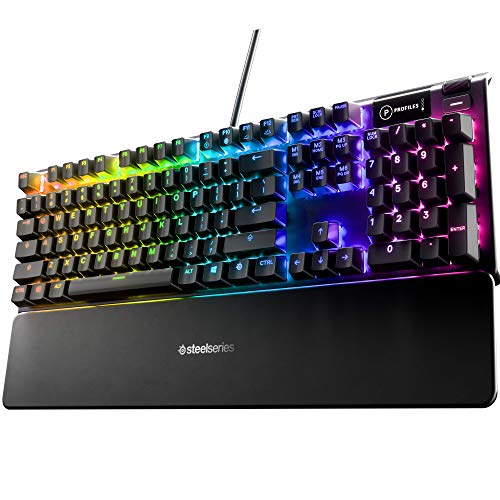
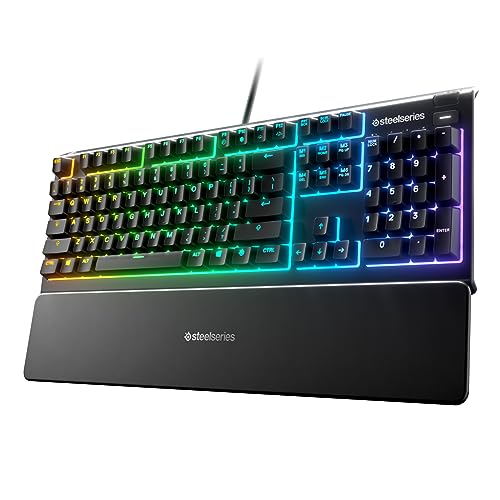
With the caps off, blow out the exposed plate and switches with compressed air. For sticky spots or spills, dampen a cotton swab with isopropyl alcohol, not water, and wipe around the switch housings. Alcohol evaporates fast and will not corrode contacts. Avoid pouring any liquid directly onto the board, and never submerge a keyboard with electronics, such as the SteelSeries Apex 5 with its OLED display.
Reassemble and Test
Once every keycap is bone dry, press each one back onto its stem using your layout photo as a reference. Plug the keyboard in and test every key in a text editor to confirm each one registers. If a key feels off, pull it and reseat it. This final check catches any cap that was not fully seated and confirms your clean did no harm.
Tips
- Always unplug the keyboard before cleaning to avoid accidental input or shorts.
- Use isopropyl alcohol, not water, anywhere near switches and electronics.
- Let keycaps dry completely, ideally overnight, before reinstalling them.
- Snap a photo of your layout before removing caps so reassembly is foolproof.
Frequently Asked Questions
How often should I clean my mechanical keyboard?
A quick surface clean once a week keeps debris in check, while a full deep clean with keycaps removed every two to three months keeps switches feeling fresh. Clean immediately after any spill.
Can I wash keycaps in water?
Yes, most keycaps, especially PBT ones, are safe to soak in warm soapy water. Just rinse them and let them dry completely before putting them back. Never wash the board itself in water.
Is it safe to use compressed air?
Compressed air is one of the best tools for clearing dust between switches. Hold the can upright and use short bursts to avoid spraying propellant liquid onto the board.
What if I spill liquid on my keyboard?
Unplug it immediately, turn it upside down to drain, and let it dry fully. For sticky spills, clean around the switches with isopropyl alcohol. Give it 24 to 48 hours before powering on again.
Conclusion
Cleaning a mechanical keyboard is simple once you have the right tools and a routine: quick weekly wipes and a deeper keycap-off clean every few months. Treat your board well, use alcohol near the electronics, and dry everything thoroughly, and any of the keyboards above will stay crisp and reliable for years.